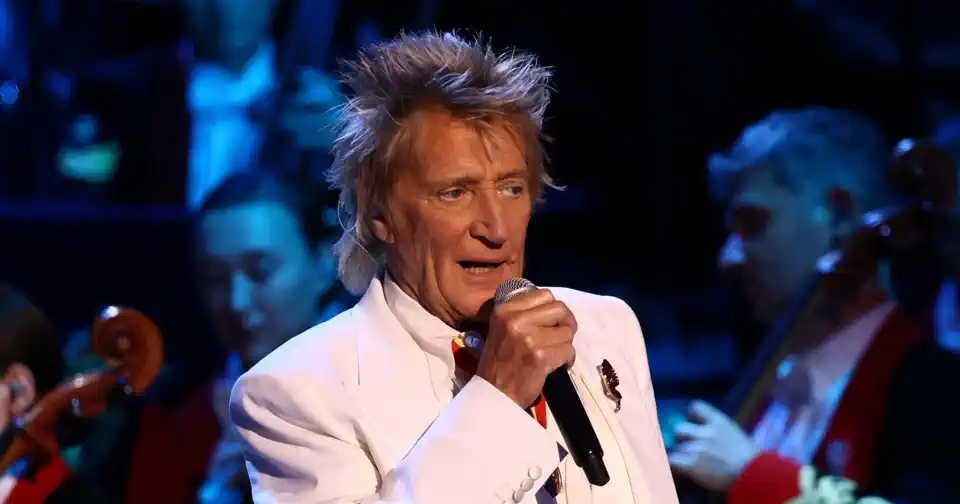
Rod Stewart canceling two Las Vegas shows on doctor’s advice became more than a routine health update because veteran stars now have to prove durability while also showing they know when protecting the brand means stepping offstage
Why the cancellation headline hit a nerve
A late-show cancellation from an artist with decades of stage history always lands as more than a calendar adjustment. Us Weekly reported on May 31, 2026 that Stewart canceled his May 29 and May 30 Caesars Palace performances on doctor’s advice while recovering from a sinus infection, which instantly shifted the conversation from one residency date to the larger question of how legacy performers manage physical limits in public.
That is why this story resonated so quickly. Stewart is not a newcomer missing a gig. He is an 81-year-old institution whose image still relies on energy, consistency and the suggestion that the machine can keep going. When that kind of performer pauses, the pause itself becomes news about longevity.
The bigger issue is that veteran artists are now graded on both stamina and self-awareness
There used to be a romantic mythology around pushing through illness, finishing the set and treating cancellation as near-defeat. That image no longer works the same way. Audiences still admire toughness, but they are also more alert to vocal strain, burnout and the damage that comes from pretending endurance has no cost.
Stewart’s cancellation therefore carries two messages at once. On one level, it interrupts the show. On another, it signals professionalism. Protecting a voice that anchors an entire touring identity is no longer a sign of weakness. For a legacy act, it can be the most disciplined business move available.
What this says about the current celebrity-performance economy
Residencies and farewell-style runs depend on an emotional contract with fans: the star promises access to a living legend, and the audience buys into the illusion that the legend remains almost indefinitely available. Health interruptions reveal the pressure inside that deal. The human body keeps asserting terms even when the commercial machine would rather not acknowledge them.
Covering celebrity careers lately, one trend stands out. The most durable veteran performers are not the ones pretending age has no consequences. They are the ones who communicate constraints clearly enough to preserve trust. Stewart’s brief retreat fits that newer model better than the old heroic image of playing through everything.
The verdict is that the cancellation protects the larger story, not just the voice
The immediate frustration for ticket holders is real, but the strategic value is obvious. Stewart preserved the broader promise of the residency by refusing to gamble with the performances that follow. In celebrity terms, that matters because fans judge not only the missed date but the seriousness of the recovery response.
So the lasting headline is not that Rod Stewart had to cancel two shows. It is that even icons now have to show a modern kind of strength: enough confidence to pause, enough clarity to explain why and enough discipline to treat sustainability as part of the performance itself.