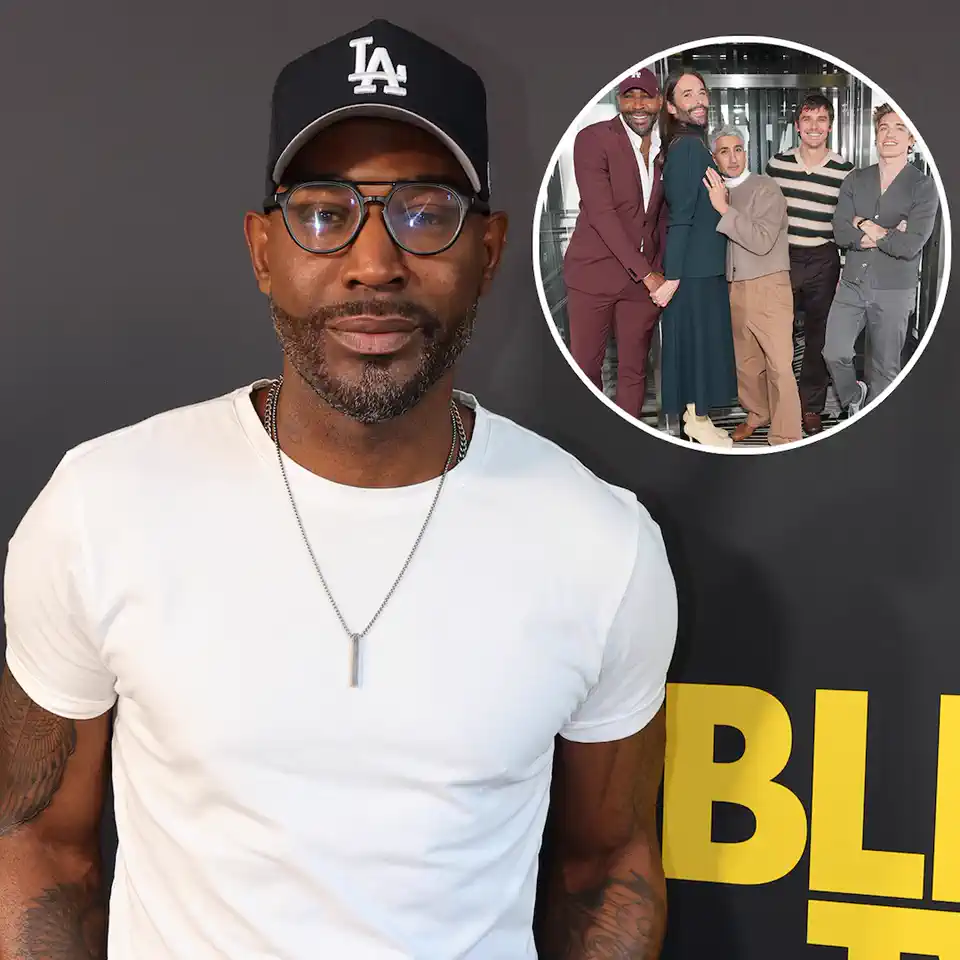
Karamo Brown's latest comments about a divide within the Queer Eye cast matter because they expose how fragile a feel-good ensemble brand becomes once viewers start questioning the chemistry behind it
Why this cast fracture suddenly became a bigger celebrity story
This stopped being a niche streaming-show disagreement the moment it challenged the image that made the franchise commercially durable. E! reported on June 2, 2026 that Karamo Brown described what he called a divide with his former Queer Eye costars and said the tension affected him consistently during filming, which instantly reframed the story from gossip into a credibility test for one of television's most polished friendship brands.
Audiences were sold a package built on empathy, transformation and group trust. Once one of the central faces starts publicly describing a culture of strain, the conversation moves beyond who said what and into whether the chemistry fans watched for years was ever as stable as it looked.
What Karamo Brown's comments say about celebrity teamwork in 2026
Modern ensemble fame is more demanding than traditional cast work because the brand extends far beyond the finished episodes. Stars are expected to project closeness on social media, on press lines and in every reunion clip that gets cut into algorithm-friendly fragments. When that off-camera alignment disappears, the brand weakens faster than it would have a decade ago.
Brown's comments land at a moment when viewers are unusually fluent in workplace dynamics. Fans now read silence, absence and awkward promotional gaps as meaningful signals. That means even a carefully managed franchise can lose some of its glow once internal friction becomes part of the public record.
The industry reality behind feel-good ensemble franchises
Shows built around emotional uplift face a stricter authenticity standard than competition formats or scripted dramas. They do not just sell entertainment. They sell a social atmosphere. If the cast appears divided, the promise of emotional safety that surrounds the brand starts to erode as well.
That is why these stories travel. They give viewers a way to reinterpret past scenes, past interviews and even cast exits through a sharper lens. In practical terms, the damage is not only reputational. It can alter how future seasons, spin-offs and cast transitions are received.
What this could mean for the Queer Eye brand next
The long-term issue is not whether every cast member becomes close again in public. It is whether the franchise can restore a sense of coherence that viewers still want to believe in. Without that, even strong storytelling starts carrying a shadow of doubt.
Brown's remarks do not automatically undo the show's legacy, but they do force the brand into a more exposed phase. If the series wants to keep its emotional authority, it now has to convince audiences that growth and care are not just themes delivered to guests, but standards the franchise can still live by itself.