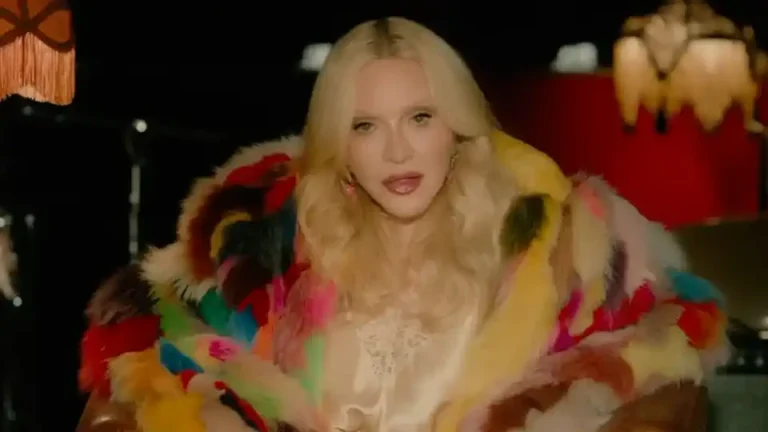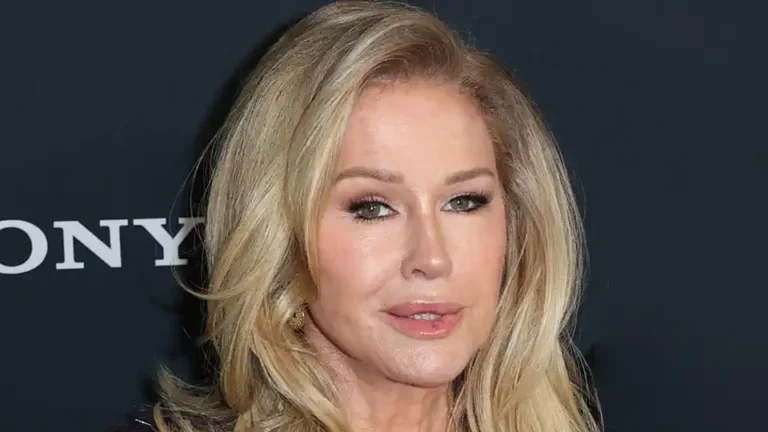

Kelly Clarkson's emotional moment with Rita Wilson matters because it captured why the end of her talk show feels less like routine television turnover and more like the closing of a format that built unusual loyalty through music and warmth
Rita Wilson's final words hit because they defined exactly what made Kelly Clarkson's show feel different
The moment became news because it distilled the show's value in a few direct lines. Just Jared reported on May 29 that Rita Wilson thanked Clarkson for changing daytime television and for bringing so much music into the format, which moved Clarkson to tears on air.
That tribute worked because it did not praise Clarkson in generic industry language. It named the actual differentiator. Her show treated music as a living part of daytime rather than a periodic bonus segment, and that identity helped make the program feel more personal than many celebrity-driven talk formats.
Why this scene resonated more strongly than a standard farewell segment
Television farewells usually arrive padded with recap packages and managed sentiment. This moment landed harder because Clarkson's reaction did not look rehearsed. Her instinct to tell producers to shut it off, then get up and hug Wilson, gave the exchange the texture of a genuine goodbye rather than an audience-calibrated climax.
It also underlined how much Clarkson's public brand has depended on musical sincerity over celebrity distance. That same instinct is visible in the way she engages viewers across performance clips and updates tied to The Kelly Clarkson Show, where song choices and spontaneous reactions often generate more loyalty than conventional talk-show promotion.
The industry reality is that daytime audiences are responding less to format and more to emotional specificity
Daytime television is no longer protected by habit alone. Hosts now need a clear identity that cuts through clips, reposts and algorithmic consumption. Clarkson's show found that edge by mixing interview comfort with musical intimacy, which gave it a digital afterlife many traditional formats struggle to maintain.
Wilson's tribute surfaced that fact in a way ratings chatter never could. It framed the show not simply as successful television, but as a place where music still functioned as community-building rather than filler.
The verdict is that Kelly Clarkson's tears confirmed her show's cultural value more clearly than any official sendoff could
The strongest takeaway is that emotional credibility still matters in celebrity media, especially at the end of a long run. Wilson's comments identified the show's real legacy, and Clarkson's response validated that the legacy was felt rather than manufactured.
That is why the clip traveled. It was not just about a star crying on television. It was about a format being appreciated for the exact quality that made it distinctive, and that made the farewell feel earned.