
What Rebecca Gayheart actually posted on Saturday
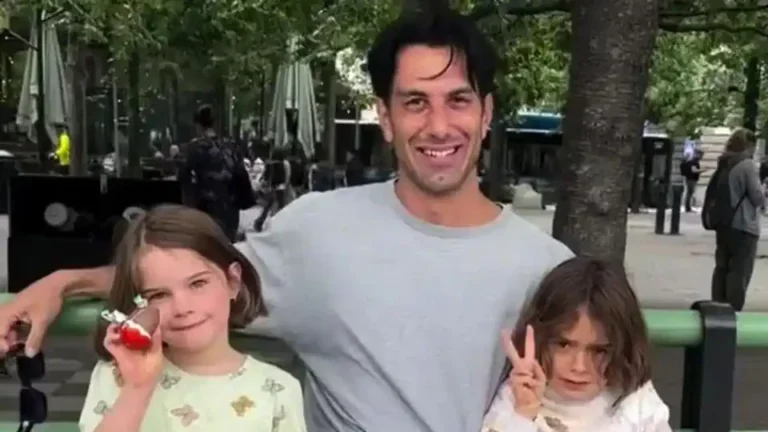
Rebecca Gayheart shared a photo and tribute to her 14-year-old daughter Georgia on Instagram on Saturday, June 6, marking Georgia's middle school graduation roughly three months after the death of Georgia's father, actor Eric Dane, from ALS. HELLO! captured Gayheart's exact phrasing – 'You have graduated middle school and survived an incredibly difficult year' – and the additional beach-volleyball MVP detail she included in the post.
Dane disclosed his ALS diagnosis in April 2025 and died less than a year later at 53. The graduation post is the first time Gayheart has shared a public image of Georgia tied to a milestone since his death.
Why the 'survived' framing is doing precise work
Gayheart's specific word choice – 'survived an incredibly difficult year' – is the most economical possible acknowledgment of the loss without making the grief the structural center of the post. The graduation is the headline. Eric Dane's death is the underlying context. That ordering matters because it lets Georgia's accomplishment carry the public attention without the post becoming a grief statement.
Celebrity parents managing public messaging around a teenage child's grief are working in unusually narrow territory. Public framing too far in either direction – either avoiding the loss entirely or centering it – backfires within minutes. The 'survived an incredibly difficult year' line threads that needle cleanly enough that the post can do both jobs at once.
The MVP-trophy detail is a deliberate inclusion
Adding the beach-volleyball MVP detail to a graduation tribute looks throwaway. It is not. It signals that Georgia's year was not only the loss – that she was still capable of competitive accomplishment during the same months, in a discipline that requires sustained physical and emotional presence with teammates.
That detail also gives the public version of Georgia's year a fuller shape. The default media coverage of celebrity-kid grief tends to flatten the child into a single narrative beat. Gayheart's post resists that flattening by entering at least one other plane of accomplishment into the public record, which gives Georgia more room to be evaluated as a person rather than only as a mourner.
How this post fits the post-Eric Dane public timeline
Since Dane's death, Gayheart has kept public statements rare and short. The cadence reflects a deliberate choice to slow the visibility cycle around the family. The graduation post is the first sustained public engagement since the obituary period closed, and it lands now because the calendar – middle school graduation – forced a public moment that would have been conspicuous to skip.
The same discipline likely shapes the next twelve months. Expect another small post around Georgia entering high school in the fall, possibly another around a major anniversary date, and otherwise extended periods of public quiet. Gayheart appears to be building a posting cadence that lets Georgia's adolescence run forward on its own terms without becoming a recurring public-grief beat.
The verdict on what this tribute accomplished
The strongest takeaway is that Gayheart used a graduation post to do the precise public work the family needed – honor the milestone, acknowledge the loss, and shift attention to Georgia's actual life – without producing a grief statement.
The contrarian read is that the most useful celebrity grief content of 2026 is not the long memoir essay or the documentary special. It is the carefully timed milestone post that lets the family member at the center of the loss continue being a person rather than a symbol, and Gayheart's tribute is the cleanest current example of that approach.