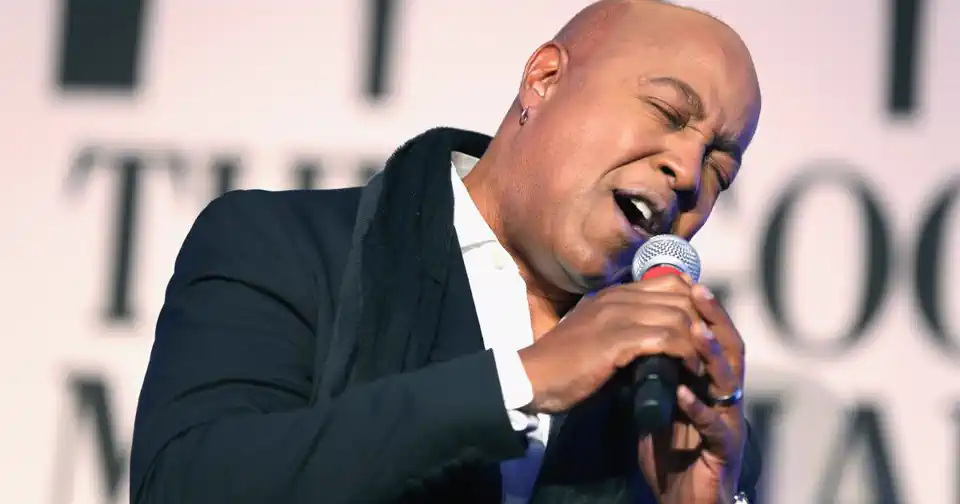
Peabo Bryson’s reported stroke became a significant celebrity story because it reminded fans that some of pop culture’s most durable voices remain emotionally present long after the industry stops treating them as daily headlines
Why the update hit with more force than a routine health report
The headline carried immediate emotional weight because Bryson’s voice is attached to songs that never really left public circulation. The Los Angeles Times reported on June 1, 2026 that a representative said Bryson had suffered a stroke and was under medical care while his family requested privacy, and that kind of update lands differently when the artist is tied to deeply shared cultural memory.
Bryson is not simply part of an older music era. He is part of the emotional architecture of it. His work on songs tied to Disney classics and adult contemporary radio means audiences encounter his voice across family generations, which is why news about his health travels beyond his most dedicated fan base.
The deeper story is about recognition, not only concern
Health updates involving veteran artists often produce a familiar cycle of shock, tribute and rediscovery. What stands out here is how quickly the news pushed people to revisit Bryson’s actual place in pop history. He is one of those singers many listeners know intimately even if they do not always name him first in everyday conversation.
That gap between influence and day-to-day visibility is part of what made this story powerful. A crisis can suddenly expose how much cultural infrastructure depends on artists who are no longer treated as permanent front-page figures, even though their work remains permanently in rotation.
Why his recent activity mattered in the public response
Reports that Bryson had recently performed and was still active gave the story an added jolt. It interrupted the comforting illusion that beloved legacy artists exist mainly as archives. Bryson was still moving through live performance, family milestones and a continuing career when this happened.
That detail shifts the emotional frame. Fans are not just looking backward at a catalog. They are reacting to a living artist whose presence still extends beyond nostalgia. In celebrity coverage, that distinction changes how a health story is felt and how widely it spreads.
What this moment means for Bryson’s public legacy
The immediate priority is his recovery and his family’s privacy. But the broader takeaway is that Bryson’s stature is larger than the pace of daily entertainment coverage often suggests. Moments like this reveal the difference between being constantly visible and being permanently significant.
That is why the news resonated so broadly. It brought attention back to an artist whose voice helped define major emotional touchpoints for millions of listeners. Even in a fast-moving celebrity cycle, that kind of legacy still commands an instant and sincere response.