Spencer Pratt’s 9/11 walk-back shows how reality TV reinvention gets harder the moment politics enters the frame
The headline hit because it forced an old persona into a new credibility test
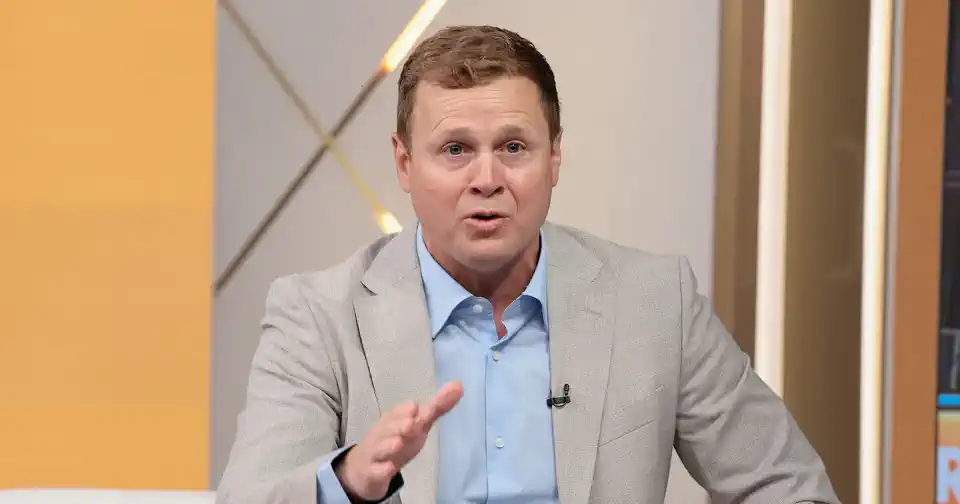
Spencer Pratt has spent years turning self-awareness into survival, but this story asks for something more demanding than brand mischief. Us Weekly reported that Pratt addressed his previous embrace of 9/11 conspiracy theories by calling himself young and naive, shifting the conversation from nostalgic reality-TV villainy to public accountability.
That distinction matters because viewers can laugh off old chaos when it belongs to entertainment, but not when the same figure wants to be treated as a serious civic actor. The standards change immediately, and so does the scrutiny.
Why this is bigger than a routine celebrity apology cycle
Celebrity rehabilitation usually works when the audience can believe the old provocations were unserious, temporary or disconnected from real-world consequences. Conspiracy rhetoric does not fit neatly into that framework because it carries a much longer reputational half-life.
That is why Pratt’s reframing lands differently from an ordinary reality-TV clarification. Coverage from outlets like CNN has already treated the issue as part of a larger test of whether media notoriety can be converted into political legitimacy.
The broader industry lesson is that celebrity self-mythology now has a shorter shelf life
For years, stars could rely on the idea that the internet moved too fast for deep archival memory to matter. That is no longer true. Audiences, rivals and reporters can pull an old quote into a new context within minutes, and the new context usually wins.
Pratt’s challenge is not only whether people believe he has changed. It is whether they believe the new version of him was built for governance rather than just another act of televised adaptation.
The verdict is that the old reality-TV playbook no longer covers political risk
The entertainment instinct is to treat a past controversy as one more plot point in a comeback arc. Politics removes that cushion. It asks whether the person behind the persona can survive contact with a more literal kind of trust test.
That is why this story matters beyond Spencer Pratt himself. It captures the larger problem facing celebrities who want the benefits of reinvention without accepting that some archives now behave like liabilities, not lore.