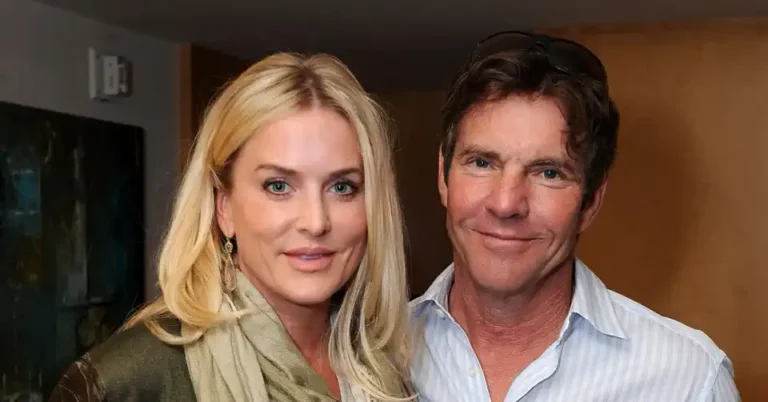

Paul Rudd's Botox denial matters because celebrity aging is no longer treated like a private reality but like a public brand mystery that audiences expect stars to solve on command
The real story was not the answer but the fact that the question now feels mandatory
The most revealing part of Paul Rudd's latest press moment is not that he said no. It is that a working actor with a three-decade career now has to treat his face like a public case file. E! reported on May 28 that Rudd flatly denied using Botox when asked about the ageless reputation that has followed him for years, instantly turning a light podcast exchange into a much bigger celebrity-media story.
That shift matters because audiences no longer consume celebrity beauty myths passively. They interrogate them. Every unusually consistent appearance is treated as a puzzle involving science, discipline, money, genetics or intervention, and the star is expected to answer in a way that feels both honest and entertaining.
Why this lands harder in 2026 than it would have a decade ago
Celebrity culture has become more forensic. Fans now read faces the way earlier audiences read tabloid relationships, zooming in on movement, texture and tiny visual changes to decide whether someone looks natural, filtered, treated or carefully managed.
Rudd's denial stood out because it met that scrutiny without sounding defensive. He gave a simple answer, leaned into the joke and let the moment sit. That is smarter branding than overexplaining, especially for a star whose persona has long depended on seeming approachable rather than engineered. It also aligns with the sleep-and-routine framing that has shadowed his wellness narrative since earlier interviews with outlets such as Men's Health.
The industry reality is that anti-aging chatter now functions like a secondary publicity cycle
For established stars, looking good is no longer just a visual asset. It is a recurring content lane. Each red carpet, podcast appearance and trailer launch can trigger a separate debate about preservation, procedure and authenticity that runs parallel to the actual project being promoted.
Rudd benefits from that machine because the conversation keeps him culturally present, but it also narrows the frame around him. Instead of leading with performance, range or timing, the internet routinely leads with whether time has touched him at all. That is flattering on the surface and limiting underneath.
The verdict is that Paul Rudd won this moment by refusing to let mystery turn into mythology
The contrarian takeaway is that stars do not always need an elaborate origin story for why they look the way they do. In fact, the more polished the explanation, the less believable it tends to sound. Rudd's strength here was restraint.
This is why the clip traveled. It was not really about Botox. It was about whether a celebrity can still answer a hyper-curious audience in a way that feels relaxed, human and unmanufactured. Paul Rudd did, and that is what kept the exchange from reading like just another vanity headline.