Anna Faris shutting down the Cameron Diaz rumor matters because legacy film performances are being judged all over again through a modern celebrity lens, and stars who reclaim authorship over their own work now have more cultural leverage than the gossip that once defined it
Why Anna Faris chose the right moment to revisit a rumor that never fully disappeared
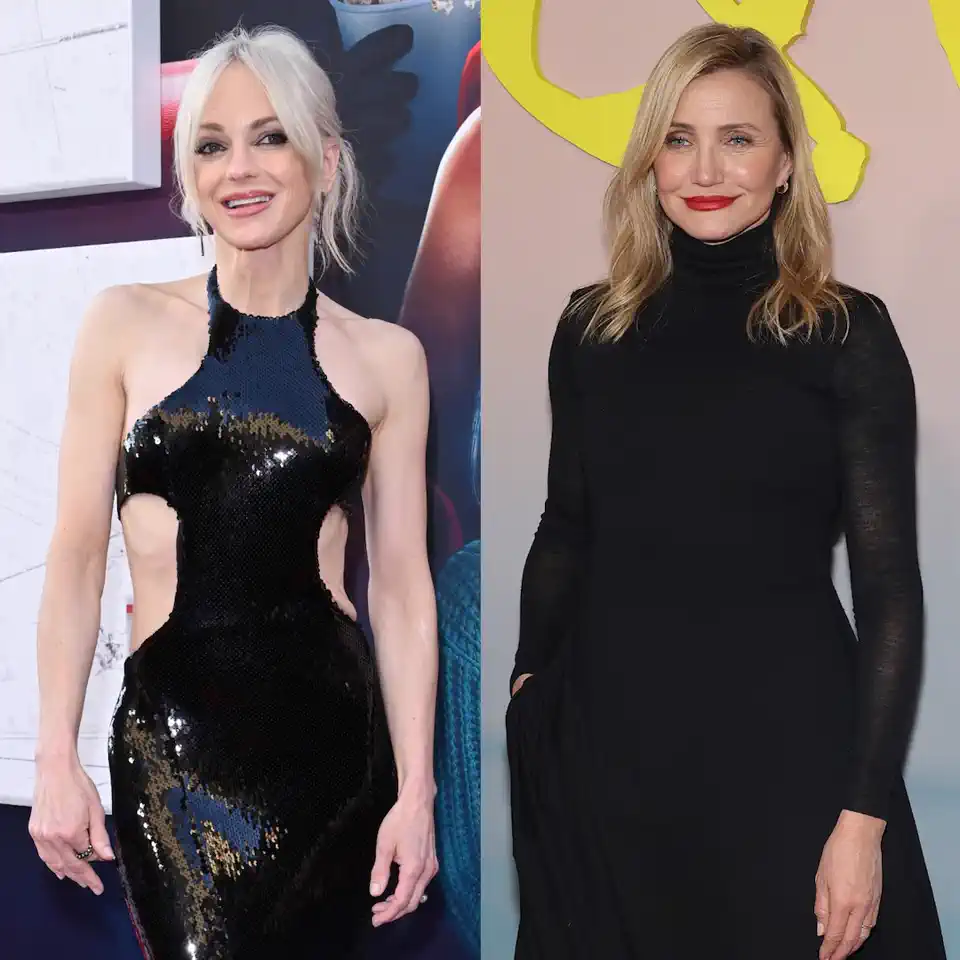
Some celebrity stories survive for decades because they are less about facts than about the public's need for a neat behind-the-scenes explanation. E! reported on June 5, 2026 that Anna Faris said she was "always a little annoyed" by the theory that her Lost in Translation character was based on Cameron Diaz, and that clarity lands differently now because audiences are more willing to question whether old tabloid narratives unfairly swallowed the actual performance.
The timing also helps. Faris is back in the conversation while promoting a new studio comedy, which means the quote is not floating in nostalgia alone. It functions as a reminder that actors often spend years living under interpretations they did not create, especially when the surrounding celebrity mythology becomes more famous than the scene itself.
What this says about how women in film were once read through gossip first and craft second
For years, the rumor worked because it fit a pattern entertainment culture loved: two famous women turned into an implied rivalry, with a performance treated like coded commentary instead of acting. That framework shrank Faris' work into an anecdote and pushed the conversation away from what she actually brought to the role.
That matters more in retrospect because Lost in Translation has remained culturally durable. When a film survives for decades, its surrounding myths harden too. Faris addressing the claim now is a way of separating authorship from speculation and asking viewers to reconsider how much celebrity gossip once shaped their reading of a character.
Why reputation repair in 2026 is less about apology and more about narrative control
Modern celebrity media rewards stars who can correct old lore without sounding defensive. Faris did not try to inflate the dispute into a feud. Instead, she framed the rumor as something that diluted her creative identity, which is a sharper and more credible argument than simply denying there was drama.
That approach reflects a broader shift in entertainment coverage. Viewers increasingly respond to stars who explain how an old narrative affected their work, not just their feelings. In practical terms, that makes this more than a podcast soundbite. It is a lesson in how legacy performers can regain authorship from internet-era recycling.
What this means for Anna Faris' next chapter in public visibility
Faris has always had a particular comic intelligence that can get overshadowed when conversation drifts into personality gossip. By revisiting this rumor on her own terms, she subtly reminds Hollywood that she earned memorable roles through precision, not because she was accidentally cast into some off-screen allegory.
The larger takeaway is that old celebrity myths no longer belong entirely to the archives that created them. When actors return to them with confidence and specificity, they can rewrite the frame. Faris did not just deny a rumor. She reasserted that a performance should still be discussed as a performance first.