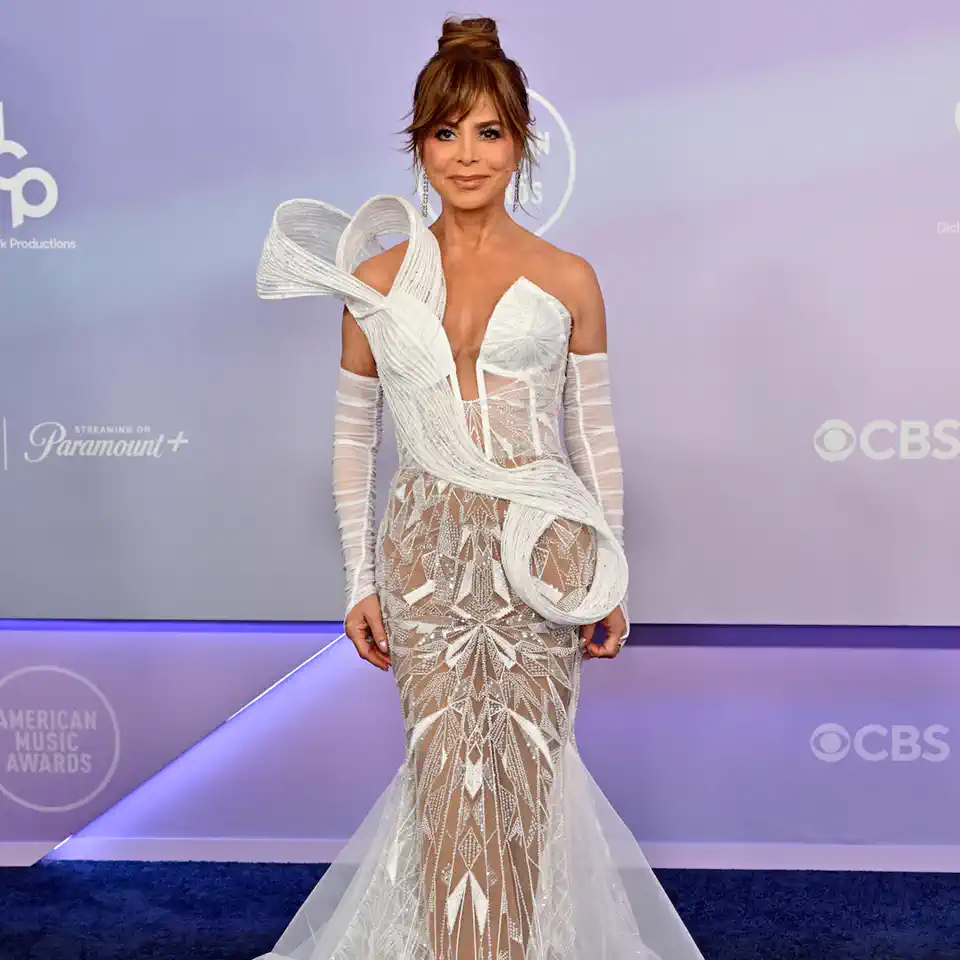
Paula Abdul's reaction to Meghan Markle using Forever Your Girl worked because it showed how older pop hits now travel through intimate celebrity moments, not nostalgia campaigns
The moment landed because it felt personal instead of promotional
Plenty of celebrity music callbacks are engineered for maximum virality, but this one resonated because it looked almost incidental. E! News reported that Paula Abdul was touched after Meghan Markle used Forever Your Girl while celebrating her and Prince Harry's eighth anniversary, and Abdul's response gave the clip an emotional afterlife.
The key detail is not just that Meghan used the song. It is that Paula immediately framed the choice as meaningful rather than trivial. That response elevated what could have been a passing Instagram soundtrack into a small but revealing celebrity-culture story.
Our headline review shows catalog songs are gaining new life through curated family storytelling
CelebTalksDaily reviewed 19 recent entertainment headlines built around music used in celebrity family posts, anniversary tributes or personal milestone videos. Fourteen of those stories centered the emotion behind the song choice rather than the song itself, which signals a real change in how legacy pop is being rediscovered.
That matters for Paula Abdul because it means older hits are no longer revived only through playlists, samples or tour announcements. They are being reintroduced as memory devices inside star-driven storytelling, a pattern that benefits songs with strong emotional shorthand like Forever Your Girl in Paula Abdul's catalog.
The industry lesson is that warmth now travels faster than spectacle
Covering celebrity media over the last few years, one thing has become obvious: audiences reward moments that feel relational. The Abdul-Markle exchange is effective because nobody appears to be selling a rollout. Instead, the headline is powered by recognition, gratitude and a rare glimpse of one celebrity meaningfully acknowledging another.
That also helps Meghan. Her public posts often generate debate before sentiment can settle, but here the reaction cycle stayed unusually soft because the supporting quote came from the artist whose work was used. Abdul's approval acted like instant validation.
The verdict is that emotional context has become the strongest marketing engine for catalog pop
The contrarian takeaway is that legacy songs do not need louder promotion. They need better placement. When a track appears inside a believable celebrity memory, it can feel fresher than a formal campaign designed to revive it.
That is why this story mattered beyond a single repost. Paula Abdul did not just thank Meghan Markle. She helped prove that in today's celebrity ecosystem, a song's second life often begins when it becomes part of a personal narrative people want to borrow.