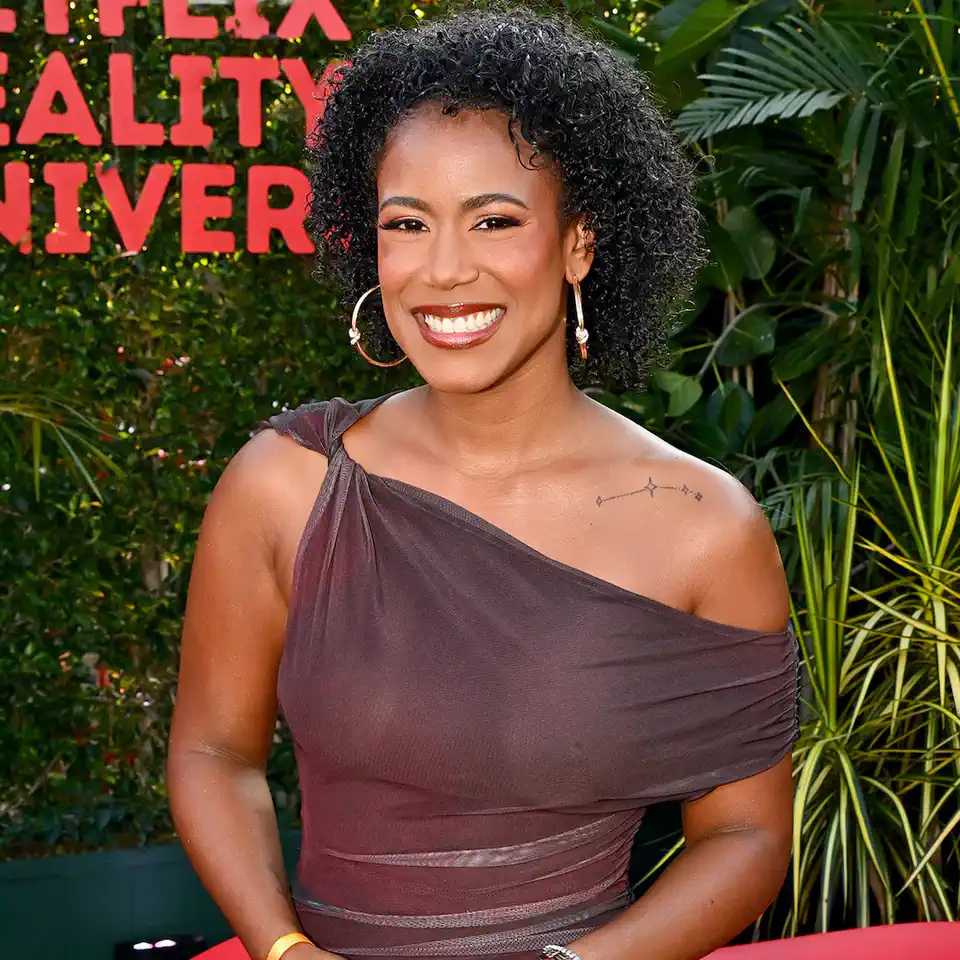
Marissa George's surprise marriage to D. Johnson matters because it exposes how reality dating shows still struggle to compete with the relationships contestants already understand in real life
Marissa George overturned her televised ending with a reveal that instantly changed the meaning of the season
The immediate twist was strong enough on its own, but the real value is in what it says about reality TV storytelling. E! News reported that Marissa George confirmed she married former flame D. Johnson shortly after the Perfect Match season four finale aired on May 27.
Because viewers had just watched her leave the show coupled with someone else, the marriage announcement did more than surprise people. It exposed the gap between the emotional closure reality television sells and the messier, longer timelines that shape real relationships once filming ends.
Why this wedding update feels bigger than a routine reality romance headline
George's account of repeatedly finding her way back to D. Johnson gives the story a depth the show itself could never provide in a compressed arc. The relationship has history, interruption and return, which makes it feel sturdier than a format built on instant pairing and visible chemistry.
The reveal also landed because it arrived through a mix of press coverage and George's own visible public presence, including her Instagram, which gave the news a personal center rather than making it feel like a post-show publicity maneuver. That balance made the switch from finale narrative to real-life outcome much easier for audiences to absorb.
The larger takeaway is that off-camera credibility keeps beating on-camera closure
Reality franchises still depend on the idea that the most important emotional truth happens inside the format. Stories like this keep proving otherwise. What often lasts is the relationship built outside the edit, outside the challenge structure and outside the forced pace of production.
That is why George's update drew attention beyond standard reunion gossip. It did not just produce a happy ending. It challenged the authority of the ending viewers were initially given.
The verdict is that Marissa George made the post-show chapter more convincing than the show itself
The most durable part of this story is not the surprise factor. It is the sense that George chose a relationship with memory, proof and history over one that only made sense within a binge-watch structure.
That makes the wedding announcement more than a twist. It makes it a reminder that the most persuasive love stories in reality TV are often the ones that eventually escape reality TV altogether.