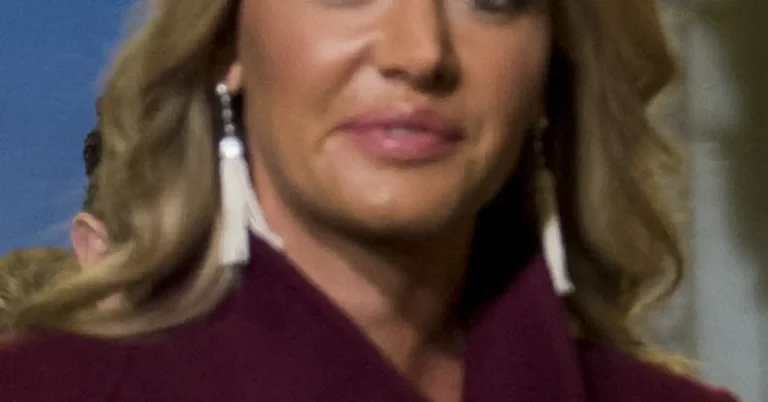
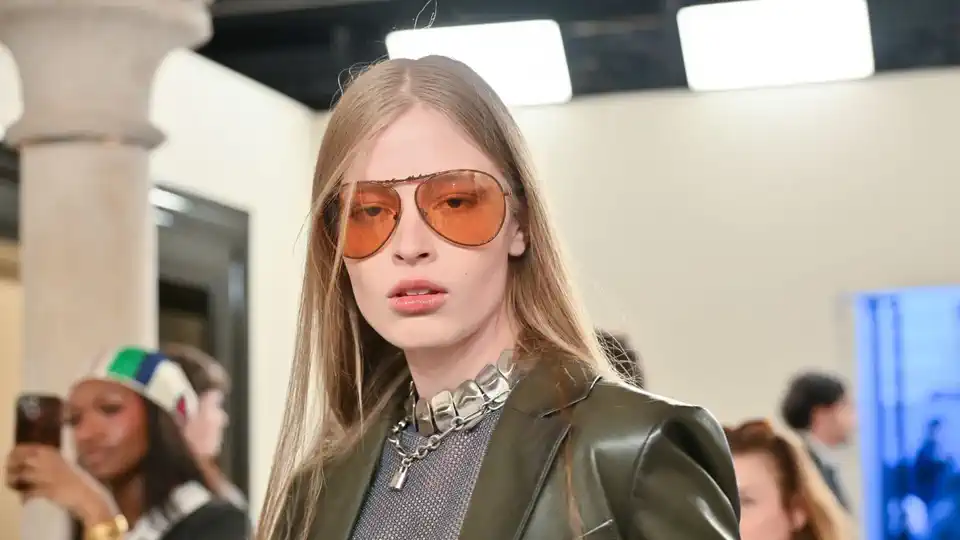
Vivian Wilson walking out of a red-carpet interview matters because it shows a new generation of high-profile children is actively refusing to let inherited fame define the terms of public access
Why the walkout resonated so quickly
The moment spread because it was brief, clear and impossible to over-interpret. HOLA! reported on June 4, 2026 that Vivian Jenna Wilson ended a red-carpet interview in Ibiza after a reporter shifted the conversation to her estranged father, Elon Musk, and the simplicity of that response made the boundary feel deliberate rather than theatrical.
There was no extended speech, no caption manifesto and no attempt to turn discomfort into performance. That restraint is exactly why the incident traveled. It offered a clean public answer to a question celebrity media still struggles with: when does lineage stop entitling the press to mine someone else's private fracture?
What this says about Vivian Wilson's public identity
Wilson is not trying to disappear from public life. She is building visibility on her own terms as a model and activist, which makes the walkout more instructive than a simple refusal to engage. The message was not anti-publicity. It was anti-reduction.
That distinction matters. Children of famous figures used to be expected to treat parental notoriety as a permanent interview framework. Wilson's reaction suggests that expectation has weakened, especially when the family relationship itself has already been publicly defined as estranged.
The industry reality behind inherited fame in 2026
Entertainment media still relies heavily on recognizable family names because they create instant context, clicks and conflict. But audiences have also become more sensitive to consent, identity and who gets to control a narrative. That puts younger public figures in a stronger position to reject legacy framing that feels invasive or lazy.
The result is a subtle but important power shift. Reporters can still ask the famous-parent question, but the cost of asking it badly is now higher. If the exchange makes the journalist look more opportunistic than insightful, the audience often sides with the subject.
The verdict on where this cultural shift is heading
Wilson's walkout will likely be remembered less as a viral awkward moment and more as a marker of changing media etiquette. The old assumption that famous families are open terrain for any line of questioning is losing legitimacy in real time.
For celebrity journalism, the lesson is straightforward: inherited fame may open the door, but it no longer guarantees access to every emotional fault line behind it. For public figures like Wilson, that is not a retreat from visibility. It is a smarter definition of it.