What Pedro Pascal actually told Entertainment Weekly
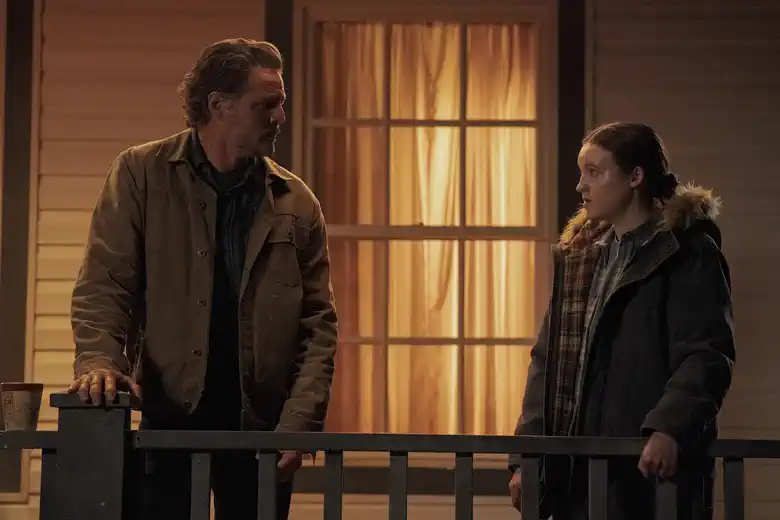
Pedro Pascal told Entertainment Weekly he is in 'active denial' about Joel's death on HBO's The Last of Us, after the character was killed in the second episode of Season 2 and returned only briefly through Season 2, episode 6 flashbacks. Season 3 is now confirmed to center Abby's arc, adapting her portion of the video-game source material. TVLine documented the timeline of Pascal's exit, the flashback episode positioning, and the structural decision to refocus the show around Abby in the next season.
Pascal's full quote – that he is 'forever bonded' to the cast and crew but will never see them again 'under the circumstances of playing Joel' – is unusually clinical for a series-exit statement.
Why the 'active denial' framing is doing precise work
Most actors leaving series-defining roles use closure language – gratitude, perspective, a forward-looking project. Pascal's denial framing rejects that template explicitly. He is naming the psychological reality that career-defining roles do not produce clean emotional exits, and that processing the loss of the role takes longer than the publicity timeline allows.
The framing is also a quiet refusal of the manufactured grief that streamers and networks typically wrap around major character deaths. Pascal is acknowledging the loss without performing it, which is a meaningfully different register than the highlight-reel emotional content that usually accompanies series-defining exits.
The Season 3 Abby refocus is the structural backdrop
Shifting Season 3 around Abby is not just a plot decision. It is a production decision that requires recasting the show's central perspective, retraining the audience's empathy structure, and rebuilding the visual rhythm the first two seasons established. Pascal's absence is part of what makes that pivot possible.
Audiences inside the video-game fanbase already understand the pivot. The broader television audience does not, and the next twelve months of Season 3 marketing will have to carry that translation work. Pascal's clean, on-record exit gives the production team a clear public timeline to work against rather than an unresolved star situation that would have complicated the new season's positioning.
What this exit format tells us about prestige-TV transitions
The HBO model for major character exits has been refining itself across the past five years – Succession, Game of Thrones, House of the Dragon, and now The Last of Us have each tested different versions of how to retain audience after a central character departs. Pascal's exit is the most clinically managed version of that pattern to date.
Every element – the mid-season episode positioning of the death, the brief flashback return, the on-record actor statement framed as denial rather than closure, the immediate Season 3 perspective shift – was calibrated to give the show its best possible runway into the new season's center of gravity. The result will be measured against how Season 3's premiere performs, and that performance will tell HBO whether the playbook is reproducible.
The verdict on what Pascal just clarified
The strongest takeaway is that Pascal gave audiences and the industry a working model for how to leave a series-defining role without performing closure. That model will matter for the next several prestige-TV exits already on the calendar across HBO, Netflix, and Apple TV+.
The contrarian read is that the most useful thing Pascal said this week was not the denial framing. It was the implicit confirmation that the bond with the cast and crew survives independent of his ability to keep playing the role, and that distinction will quietly reshape how the next round of series-leaving actors talk about their own exits.