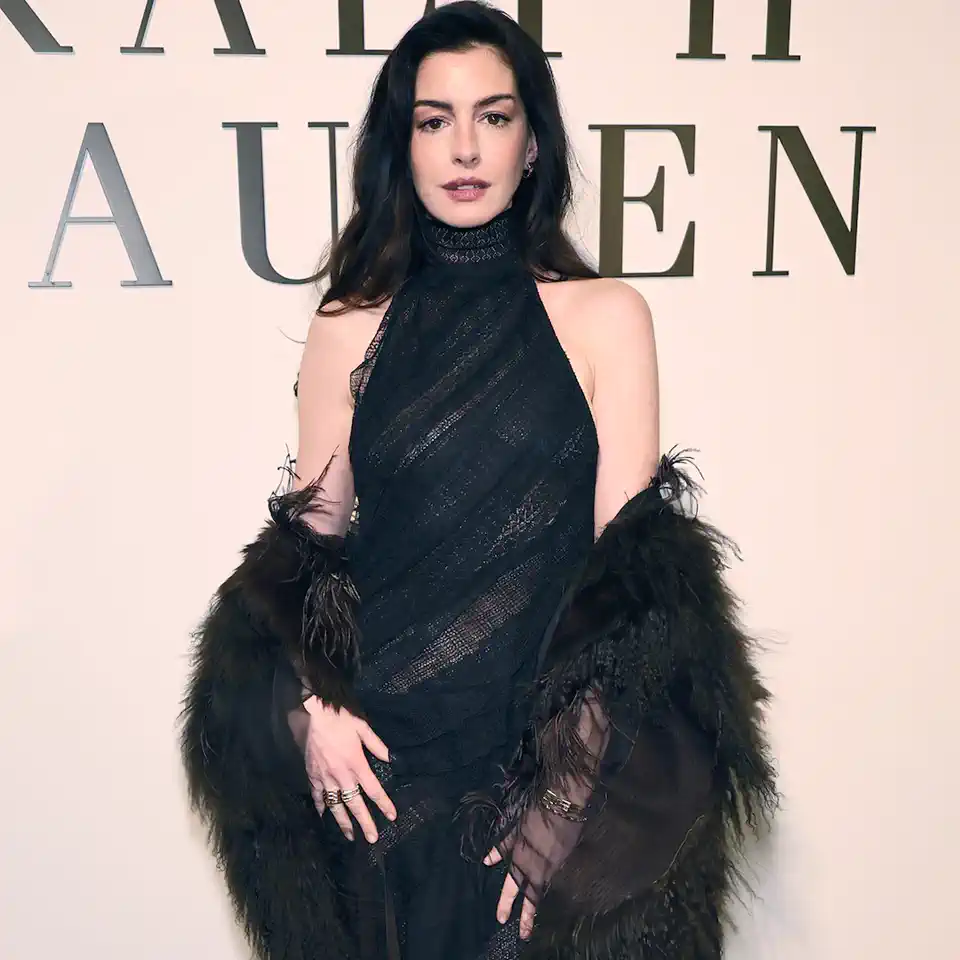
Anne Hathaway addressing facelift rumors did more than shut down gossip because it exposed how aggressively celebrity image debates now compete with the actual work stars are trying to promote
Why Anne Hathaway’s comments landed harder than a standard celebrity denial
Most celebrity responses to cosmetic-surgery speculation are either overly polished or totally evasive, which is why Anne Hathaway’s wording stood out. E! reported that Hathaway called the facelift speculation distracting and said people were presuming a huge medical decision she had not made, giving the story more weight than a routine clapback because she addressed the mechanism of the rumor, not just the rumor itself.
That distinction matters in 2026 because online beauty speculation is no longer a side conversation around celebrity culture. It can become the main event within hours, especially when a star posts a red-carpet video or a glam clip that invites frame-by-frame analysis. Hathaway understood that and answered the scrutiny in a way that felt measured instead of defensive.
The bigger issue is that women in Hollywood are now expected to narrate their faces in real time
What makes this story stick is not simply whether Hathaway has had work done. It is the exhaustion behind the question. Female stars are increasingly pulled into a cycle where every appearance becomes a referendum on aging, filler, surgery, or hidden tricks, as if their faces require a running commentary before audiences are allowed to discuss the project they are actually promoting.
Hathaway’s explanation cut through because she effectively said the conversation had become loud enough to distort the public frame. That is a sharper point than many headlines acknowledged. Once the beauty debate overtakes the work, the celebrity loses control of the story even while remaining at the center of it.
Why this moment says something larger about the current publicity economy
The old publicity model relied on silence, mystery and magazine-level image management. That model keeps collapsing under the pressure of social media, where one short clip can trigger mass certainty from people who have no real knowledge of what they are looking at. Stars now have to decide whether to preserve mystique or interrupt the speculation before it hardens into accepted fact.
Hathaway chose interruption, and that is why the quote has legs. She did not sound scandalized by the possibility of cosmetic work in general. She sounded frustrated that the public had started narrating her choices for her. In other words, the problem was not only judgment. It was authorship.
The verdict is that Anne Hathaway’s real story here is about authority, not appearance
This headline matters because Hathaway repositioned herself as the only reliable narrator of her own body. That should be obvious, but celebrity culture keeps treating women’s appearances like open-source material for public interpretation and escalation.
The result is that her response reads less like a vanity story and more like a reminder about control. Hathaway was not just dismissing a rumor. She was drawing a line around who gets to define what her face means, and that is exactly why the moment resonated beyond the usual beauty-cycle chatter.