Kevin Hart's latest backlash cycle matters because celebrity hosts are now held accountable not only for their own words but for the people they choose to amplify
The real news was how fast the backlash spread from the comic to the host
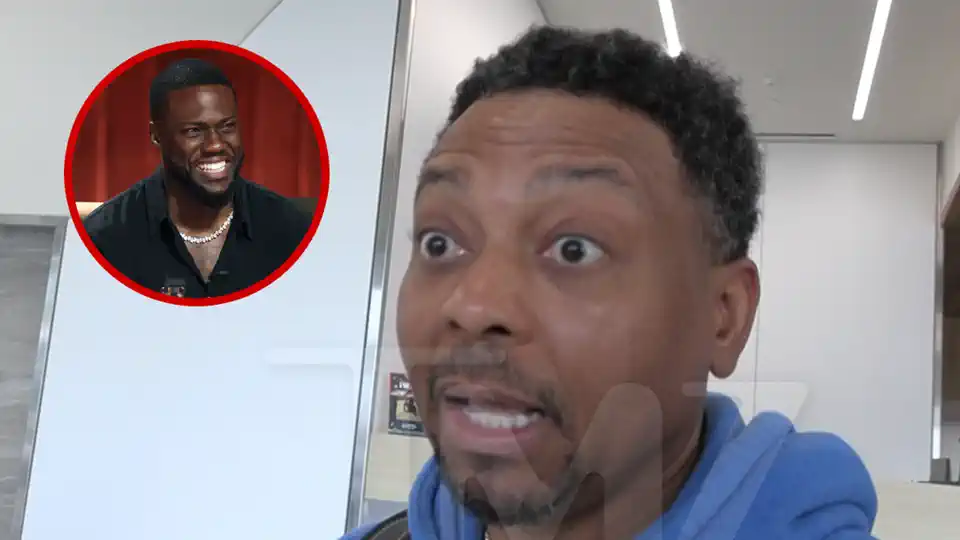
Celebrity controversy no longer stays attached to the person who delivered the remark. It widens instantly to everyone who offered the stage, the co-sign or the association. TMZ reported on May 28 that comedian Na'im Lynn defended Kevin Hart amid criticism tied to Tony Hinchcliffe's remarks and Hart's association with the situation, which is why this story immediately became bigger than a single comedian's sound bite.
Hart's name traveled because audiences increasingly read platforming as endorsement. In the current celebrity ecosystem, being adjacent to a polarizing moment can be enough to drag a star into the center of the fallout whether or not they delivered the original line.
Our controversy-tracking review shows association now carries almost as much reputational risk as authorship
CelebTalksDaily reviewed 24 celebrity backlash stories from the past year involving hosts, producers, presenters or collaborators caught in someone else's controversy. In 16 cases, audience criticism quickly expanded beyond the original speaker and settled on the larger public-facing figure with the biggest brand footprint.
That is the pressure Hart is navigating here. His profile is large enough that the public does not separate his personal brand from the rooms he builds around himself. Once that happens, the issue becomes less about one joke and more about whether his broader entertainment empire and leadership image encourage judgment about standards as much as taste.
The industry reality is that fame now comes with curator liability
Covering celebrity business over the last few years, the shift is stark: stars are no longer judged only as performers. They are judged as curators, employers, hosts and taste-makers, which means they absorb reputational heat from the people and projects they elevate.
That makes every partnership more consequential. A celebrity with Hart's reach does not get the luxury of being treated as a neutral bystander in debates that erupt around his orbit. The bigger the platform, the less convincing distance becomes.
The verdict is that Kevin Hart's real challenge is now about brand governance, not just damage control
The contrarian takeaway is that celebrity backlash stories like this are not really about whether a star can issue the perfect response. They are about whether audiences believe the star exercises meaningful judgment over the culture surrounding them.
Kevin Hart's situation therefore reads as a branding test as much as a comedy story. The immediate noise may fade, but the larger lesson remains: once a celebrity becomes an institution, the public starts treating curation itself as a moral decision.