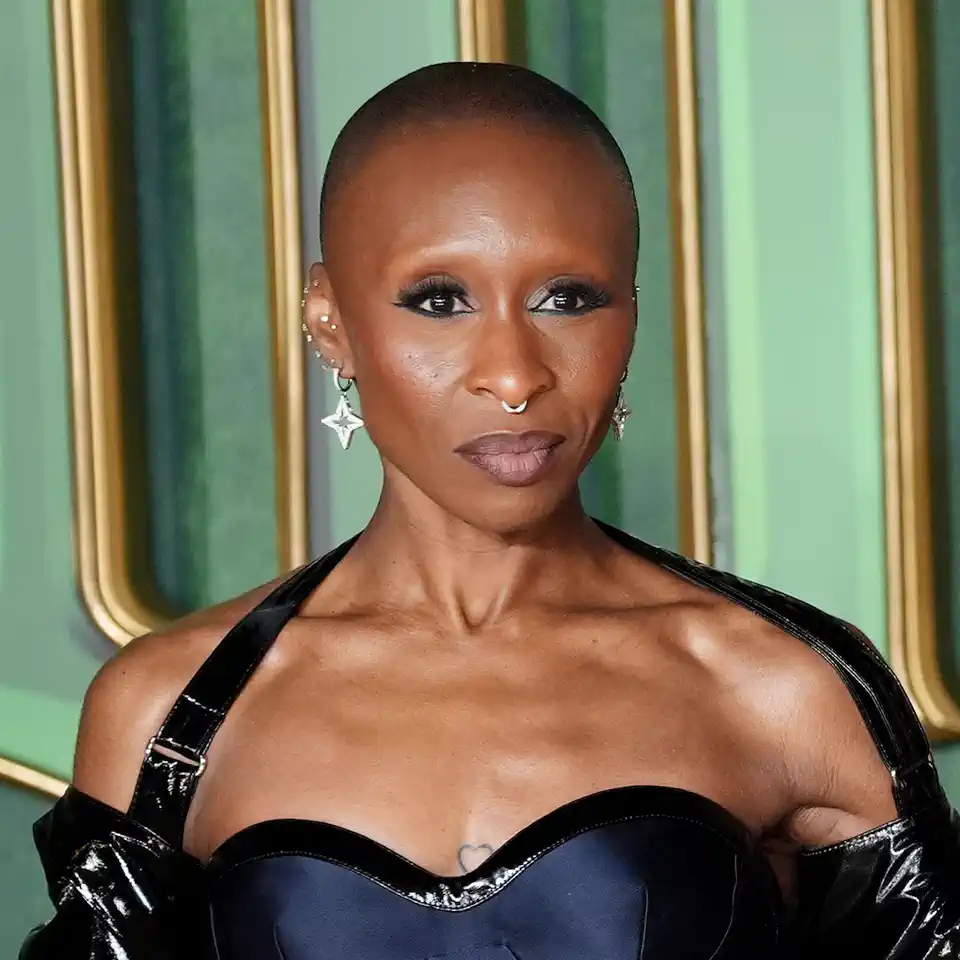
Cynthia Erivo addressing Ariana Grande friendship rumors mattered because it exposed how quickly audiences now treat visible celebrity closeness as possible performance
The real headline was not the denial but the fact that the rumor existed at all
Celebrity friendship speculation has become almost as intense as celebrity dating chatter, especially when two stars share a large promotional campaign. E! reported on May 28 that Cynthia Erivo responded to claims that her friendship with Ariana Grande was somehow fake or constructed for the Wicked era, and that alone says something revealing about how viewers now process co-star intimacy.
Erivo's response worked because it was less defensive than clarifying. She did not try to manufacture a sentimental proof package. Instead, she pointed to a simpler reality: audiences often doubt friendships they did not get to witness forming from the inside.
Our co-star coverage review shows audiences increasingly read promotional warmth as calculated
CelebTalksDaily reviewed 26 high-engagement co-star stories from the past year involving press tours, award appearances and backstage clips. In 17 of them, the comment conversation eventually drifted from admiration into suspicion, with viewers debating whether the bond was genuine, exaggerated or strategically amplified.
That is why the Erivo-Grande story has wider relevance. Once a celebrity dynamic becomes culturally beloved, it also becomes vulnerable to backlash from audiences who assume anything highly visible must be part of the marketing machine. The scale of Wicked intensified that instinct across every interview, carpet and social beat connected to the film's broader franchise-facing audience ecosystem.
The industry reality is that celebrity authenticity now has to survive overexposure, not just scrutiny
Following entertainment publicity closely, one pattern keeps repeating: the more frequently a relationship, friendship or alliance is presented to audiences, the more some viewers start to distrust it on principle. Visibility no longer guarantees belief. Sometimes it produces the opposite.
Erivo and Grande became an unusually intense example because their connection unfolded alongside one of the biggest recent movie campaigns. When fame and fandom reach that scale, sincerity itself gets treated like a suspicious artifact.
The verdict is that Cynthia Erivo's answer was persuasive because it refused the internet's demand for performative proof
The contrarian takeaway is that celebrities do not always need more content to prove a bond is real. Sometimes adding more evidence only feeds the suspicion machine. Erivo's calm response worked because it did not beg to be believed.
This turns a routine rumor rebuttal into a more telling celebrity-media moment. Cynthia Erivo was not just talking about Ariana Grande. She was illustrating how fame now pushes stars to defend even their friendships against the assumption that closeness must be content.