What Aniston, Blanco, and Gomez actually filmed
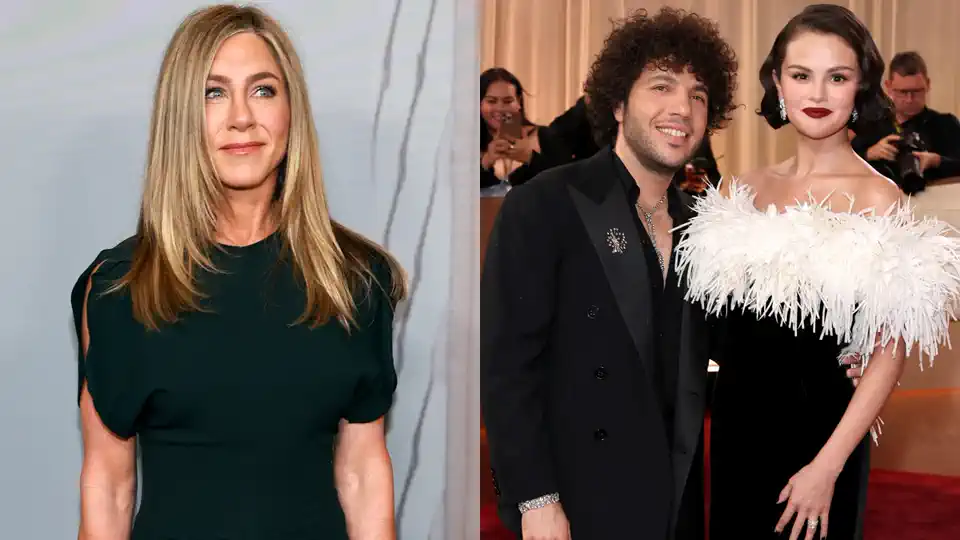
Jennifer Aniston dropped an Instagram skit on Monday, June 9, in which Benny Blanco appears uninvited at her Los Angeles mansion to ask for hair advice while Selena Gomez raids the kitchen, with the video ending in Aniston applying her LolaVie Glossing Detangler to Blanco's thick natural curls and asking whether he has ever considered a ponytail. Just Jared mapped the full beat-by-beat – the unannounced arrival, the products used, Blanco's final reaction that his hair 'feels the softest it's ever felt'.
The video reads as a candid trio moment. It is not. It is a paid LolaVie campaign that uses the trio's actual public chemistry as the script structure, and the production choices around it are the more interesting business story than the skit itself.
Why this format is harder to land than it looks
The skit-as-ad genre is everywhere in 2026, but most of it fails because the product placement reads as an interruption. The Aniston video avoids that trap by structuring the entire video around the product use – the makeover IS the ad, and the comedy beats are wrapped around the application sequence rather than dropped on top of a finished commercial.
The other tell is the casting. Most celebrity beauty brands rely on the founder appearing alone in the ad. Aniston's approach inverts that – she becomes the operator in someone else's storyline. That structural choice lets Blanco and Gomez carry the comedic load while the LolaVie products are visible in every frame of the makeover sequence.
How LolaVie has been quietly building toward this rollout
LolaVie launched in 2021 with a deliberately small product line and a slow expansion cadence. Most celebrity beauty brands of that era raced toward category breadth in year one. Aniston's team did the opposite – kept the product range narrow, invested in formulation credibility, and only started moving aggressively on cultural-format ads after the brand had real retail traction.
That sequencing matters because it is now paying off. The makeover skit only works as advertising if the audience already trusts that the products are real. A celebrity brand that opened with this kind of viral skit on day one would have read as a stunt. Five years in, the same format reads as a brand that earned the right to be playful.
Why this resets the celebrity beauty playbook
The market has been waiting for a celebrity beauty brand to figure out how to translate a founder's full screen presence – comic timing, casting power, on-camera physical performance – into ad creative that does not look like a perfume commercial. Aniston's video is the cleanest answer to that question in 2026 so far.
Other celebrity-owned brands will study this rollout for the next twelve months. The lessons are not about Aniston specifically. They are about format discipline – short, dense, scripted around the product application, anchored by the founder's actual on-camera relationships rather than hired models. Most brands will struggle to replicate it because most founders cannot do what Aniston can do on camera.
The verdict on what this LolaVie moment accomplished
The strongest takeaway is that LolaVie did not buy a viral moment. It earned one, by building the brand's product credibility for five years before deploying the format that needed that credibility to land.
The contrarian read is that the most valuable celebrity beauty ad of 2026 is not the most produced one. It is the one structured around a believable thirty-second use case that the founder can actually perform on camera, and Aniston's skit gave the rest of the category a working template to chase.