BTS turned its 2026 AMAs appearance into a comeback statement fans had been waiting years to see
The AMAs gave BTS a stage big enough to underline how significant this return really is
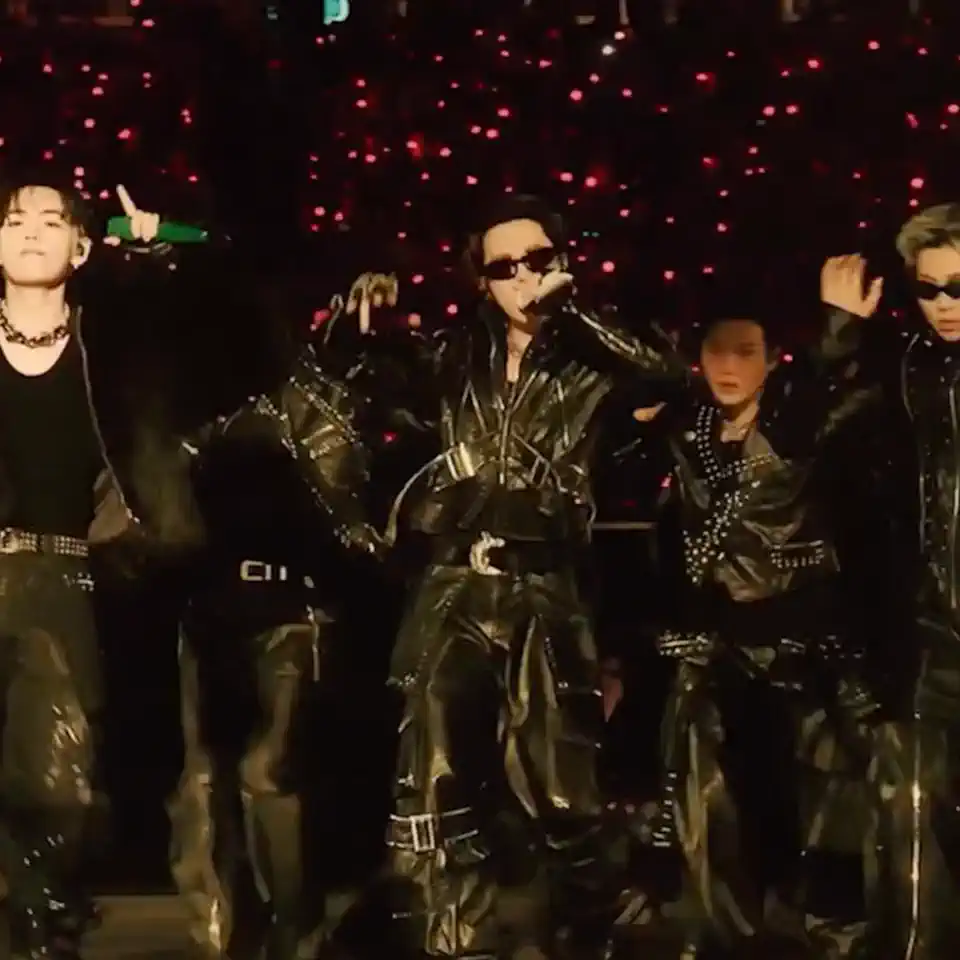
BTS returned to one of the biggest American awards stages in pop culture when, as E! News reported, the group made its first award-show performance in four years during the 2026 American Music Awards. Even with the performance presented as a pre-taped segment from the Las Vegas stop of the group's ARIRANG world tour, the moment still landed like a major event because it marked a visible public reset after years defined by military service, solo work and anticipation.
For a group with BTS' scale, a return never functions as a routine booking. It becomes a signal. Fans read it as confirmation that the reunion era is no longer theoretical, while the broader entertainment industry reads it as proof that the group's collective power remains intact across markets, platforms and formats.
Why the performance resonated beyond the usual awards-show buzz
Award shows are crowded with big entrances every year, but BTS benefits from a different kind of emotional runway. Their comeback has been unfolding against a long period of absence from this specific kind of group spotlight, which made even a brief appearance feel loaded with meaning. What viewers were reacting to was not just a song performance, but the sense of a chapter reopening in public.
That is also why discussion around the group moved quickly online after the AMAs. BTS carries a fan culture that does more than celebrate moments. It archives them, compares them, amplifies them and turns them into talking points about legacy. A high-profile U.S. appearance automatically becomes part of the larger story about how the band is reintroducing itself in this new phase.
The new era looks designed to balance nostalgia with scale
The AMAs appearance did not arrive in isolation. It connects to the group's current album-and-tour cycle and to the broader comeback framing outlined in coverage from outlets such as Rolling Stone, where the members have discussed wanting a wider tour footprint and a stronger reunion statement. That balance matters because a successful return for BTS has to satisfy two audiences at once: longtime fans who want emotional continuity and newer listeners who expect a current, ambitious pop rollout.
The AMAs helped bridge those expectations. The setting recalled earlier milestones in the group's U.S. rise, while the performance itself reinforced that the band is moving forward instead of simply recreating an older version of its success.
What comes next is likely to matter just as much as the performance itself
The real test of a comeback is whether each public appearance expands the narrative instead of repeating it. BTS now has the advantage of momentum, and every additional performance, interview or tour stop has the potential to deepen the sense that the group is fully back in the center of the global pop conversation.
That is why this AMAs moment matters. It was not the entire comeback, but it worked as one of the clearest mainstream markers yet that BTS is operating again as a seven-member force with both cultural memory and fresh forward motion behind it.