The latest James Handy case update matters because it shows how violently the public story around a veteran actor can shift from decades of work to a single criminal proceeding that begins defining the legacy in real time
Why the charge changed the shape of the James Handy story
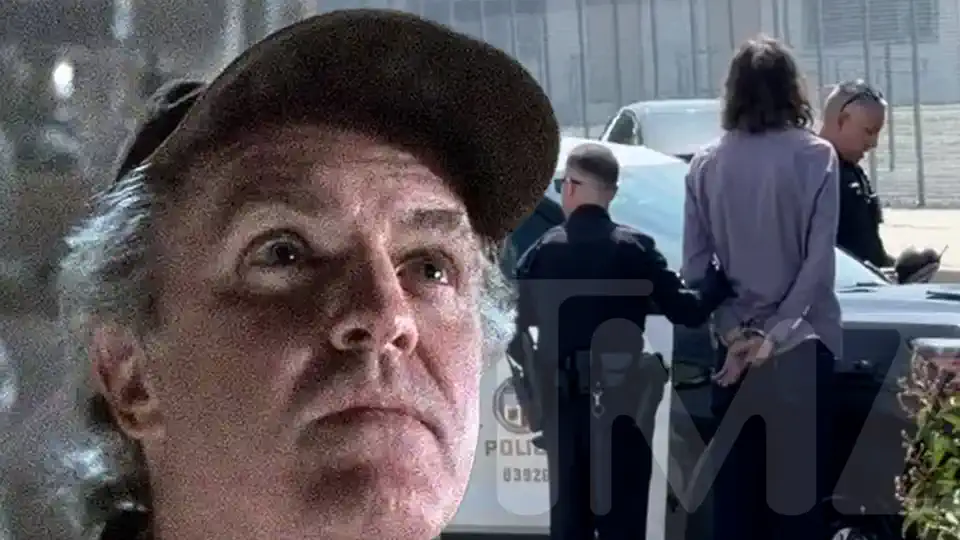
The initial shock was the death itself, but the filing of charges gave the tragedy a more formal and durable public frame. TMZ reported on June 5, 2026 that Michael Gledhill, the son of Handy's girlfriend, was charged with murder after the actor was found stabbed outside a Tarzana home, which means the coverage is no longer only obituary-adjacent. It has entered the machinery of the court system.
That legal shift was reinforced by broader reporting, including an Associated Press account detailing the charge, the court response and the 911 statement attributed to the suspect. Once multiple outlets begin documenting the same legal milestones, the case stops feeling like a fleeting tabloid shock and starts becoming part of the historical record.
What makes late-career Hollywood tragedies hit differently
Handy was not a celebrity built on constant self-branding. He was the kind of working actor audiences recognize across decades without always knowing his name immediately. When someone with that kind of career dies under violent circumstances, the emotional impact comes from contrast. A familiar face from the background of many beloved films suddenly becomes the center of a deeply disturbing headline.
That contrast matters because it exposes how fame actually works. Household recognition and personal privacy can coexist for years, but a criminal case destroys that balance overnight. Suddenly, every mention of the performer gets routed through the violence of the ending.
How criminal proceedings can overtake artistic legacy
Hollywood is often better at celebrating breakout stars than preserving the memory of character actors whose work quietly supports major films for decades. In cases like this, the risk is that the courtroom narrative becomes more searchable, more repeated and more emotionally dominant than the work itself.
That does not erase the career, but it does distort what casual readers retain. Instead of remembering the craft, range or reliability that sustained a fifty-year filmography, the public can end up remembering only the crime-scene details and the latest procedural update.
What this means for how the story will age
The next phase of coverage will almost certainly follow hearings, competency questions, motions and possible trial developments. That is how these stories evolve. The legal system supplies fresh pegs, and each one risks pushing the artistic life further into the background.
The clearest verdict right now is that James Handy's legacy needs active remembering, not passive sentiment. Otherwise the case file becomes the biography. That is the real danger when a veteran actor's final chapter arrives through violence instead of a final performance or a graceful farewell.