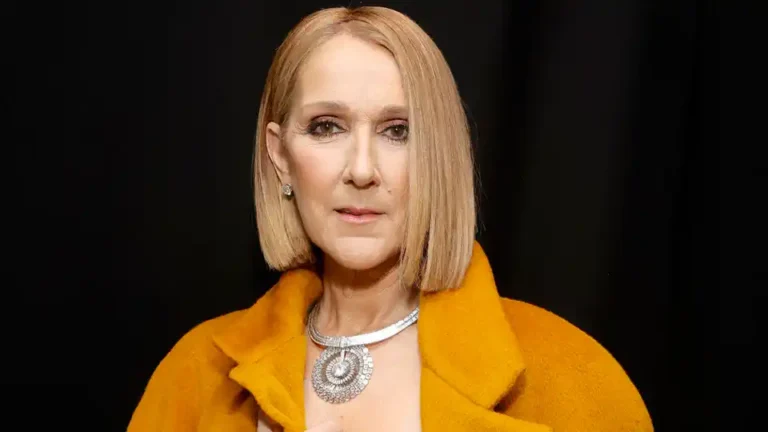

Anna Faris revisiting her near-fatal carbon monoxide scare matters because celebrity health stories carry the most value when they move beyond shock and expose the everyday blind spots that can put any family in danger
Why Anna Faris' story landed harder than a typical celebrity health confession
What made this update resonate was not celebrity vulnerability on its own, but the specificity of the danger. E! News reported on June 6, 2026 that Anna Faris said she, her husband and extended family suffered carbon monoxide poisoning during a 2019 Thanksgiving stay in Lake Tahoe, and that detail instantly pulled the story out of the gossip lane and into the category of warnings people can actually use.
Celebrity audiences are used to dramatic personal revelations, but this one works differently because carbon monoxide is invisible, odorless and easy to misread as altitude sickness, exhaustion or a bad holiday night. That gap between what people feel and what is actually happening is the real hook.
What this reveals about the new value of celebrity testimony
The strongest celebrity disclosures now do more than humanize a star. They surface a pattern that ordinary households recognize only after something goes wrong. Faris was not describing an abstract fear. She was describing how a normal family gathering slid into an emergency before anyone understood the cause.
That is why the story carries weight beyond the headline. It gives readers a practical frame for a risk that often gets treated as background home-safety advice until a vivid firsthand account makes it unforgettable.
How the conversation shifts from survival to long-term unease
An underappreciated part of Faris' account is that surviving the event did not end the story emotionally. Her comments about still thinking about possible longer-term effects reflect something audiences increasingly understand: health scares do not close neatly once the ambulance leaves or the lawsuit ends.
That lingering uncertainty gives the article its staying power. It also makes her choice to travel with a portable detector feel less like celebrity overcorrection and more like a rational response to a threat that was nearly catastrophic.
Why this moment has real staying power in celebrity news
People-first celebrity coverage works best when the reader gets more than proximity to fame. In this case, the useful takeaway is obvious: check alarms, take unexplained symptoms seriously and do not assume a vacation property is safer simply because it is expensive or picturesque.
The broader verdict is that Faris turned a terrifying personal memory into something rare in entertainment coverage: a story with actual public utility. That makes it more durable than a standard celebrity confession and more relevant than most weekend lifestyle headlines.