What the wedding rule actually says
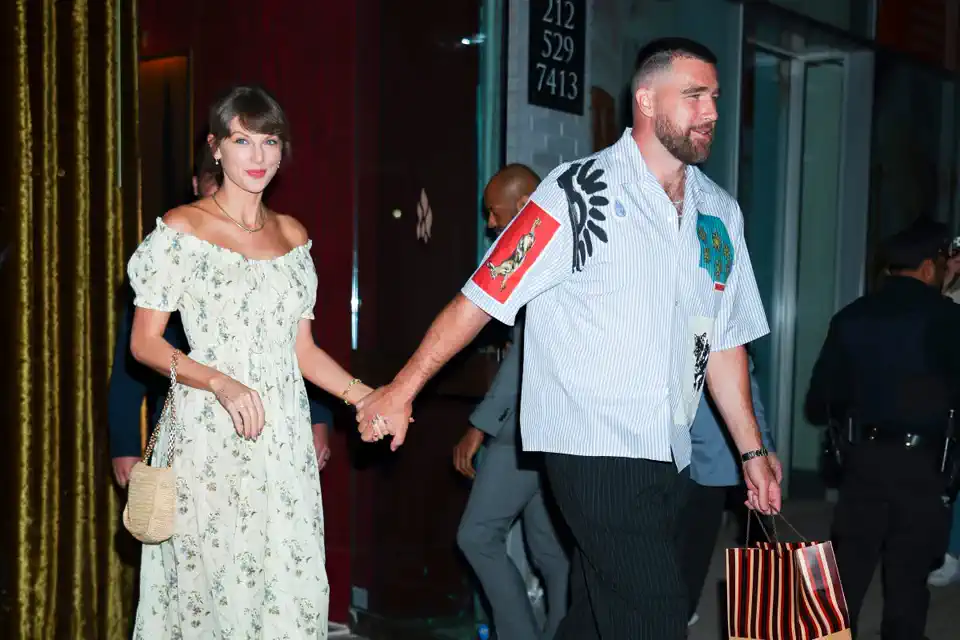
Reports this week suggest Taylor Swift and Travis Kelce have implemented a 'no ring, no bring' guest policy for their July 3 wedding – anyone not married or engaged will not receive a plus-one invitation. Industry expert Jessica Bishop, founder of The Budget Savvy Bride, called the rule 'outdated' on the record. Newsweek captured the expert framing and the broader argument that modern relationship structures have moved past marriage certificates as the qualifying credential.
Bishop's specific argument is that long-term partners, engaged couples, married couples, and cohabiting relationships should generally receive plus-ones, with the host couple making judgment calls based on closeness and budget. The 'no ring, no bring' rule applied uniformly cuts out a meaningful slice of any modern wedding guest list.
Why this is a category-setting debate, not a tabloid story
Most celebrity wedding coverage operates as decor-and-dress reporting. The Swift-Kelce coverage has been operating differently from the start – guest-list mechanics, venue logistics, security infrastructure, and now invitation-policy semantics are all receiving the kind of analytical attention that political-convention seating gets in a normal year.
That sustained analytical attention turns each rumor into a category-setting reference point. The 'no ring, no bring' debate, regardless of whether the rule is real, will now operate as the cultural baseline that the next twelve months of high-profile wedding planners reference when their own A-list clients raise the same question.
What 'outdated' really means in 2026 wedding planning
Bishop's vocabulary is the more interesting data point than the rule itself. Wedding planners working in 2026 are increasingly fluent in the structural shift away from marriage-status as the primary social organizing category. Cohabitation, long-term unmarried partnership, and engaged-but-undated relationships now make up a meaningful percentage of any guest list older than 35.
The 'outdated' label is doing rhetorical work in that context. It is signaling to other wedding planners that defending an old-style rule on a high-visibility client list is now reputationally costly. That dynamic gives the next round of celebrity wedding rules a different starting point than the current Swift-Kelce one.
The leak architecture behind this story is doing real work
The rule's emergence into the press has its own logistics worth examining. The information did not surface through an official statement. It surfaced through second-hand reporting that was structured to invite expert response – the kind of leak architecture that lets the host couple float a policy without owning it.
Reports that landed this week also tied wedding-plan leaks to broader friction inside Swift's inner circle. The 'no ring, no bring' debate is operating in a leak environment that the couple's team is actively trying to manage, and the rule itself functions as a controlled-test of which policies generate which kinds of pushback.
The verdict on what the rule actually accomplishes
The strongest takeaway is that whether or not the 'no ring, no bring' rule is enforced on July 3, the debate around it has already done the heavier lifting – clarifying how 2026 audiences think about plus-ones, modern partnership categories, and host-couple authority over guest-list mechanics.
The contrarian read is that the most influential part of the Swift-Kelce wedding will not be the ceremony itself. It will be the public conversations the wedding has already forced into the open about who counts as a partner in 2026, and the 'no ring, no bring' debate is the cleanest current example of that pre-event cultural work.