
Tom Kane’s death at 64 closes the career of a voice actor whose characters reached generations
The news hit quickly because so many audiences knew his voice
Tom Kane’s death became one of the night’s most resonant entertainment updates because his work reached several fandoms at once. In E! News reporting published May 18 at 6:03 PM PDT, the veteran performer was confirmed dead at 64. For casual readers, the headline lands through familiar franchise names such as Star Wars and The Powerpuff Girls. For longtime animation and voiceover fans, it lands as the loss of a craftsman whose work had been part of daily viewing for years.
A second reference point is Kane’s official website and career archive, which reflects how extensive his credits became across television, film, games and live announcing work. That range is a major reason the story carries more emotional reach than a niche-industry obituary.
His best-known roles explain why the reaction feels so broad
Kane’s career touched childhood nostalgia, blockbuster fandom and prestige live-event television all at once. He was the voice of Yoda in Star Wars projects, Professor Utonium in The Powerpuff Girls and a familiar presence across many animated and gaming properties. That kind of résumé gives an obituary immediate scale because different corners of pop culture can all claim him.
The result is a story that does not belong only to one audience. It belongs to people who grew up on Cartoon Network, to Star Wars viewers who heard his version of a beloved character and to industry followers who understood how frequently elite voice performers shape popular culture without showing their faces.
The family details gave the loss a more intimate frame
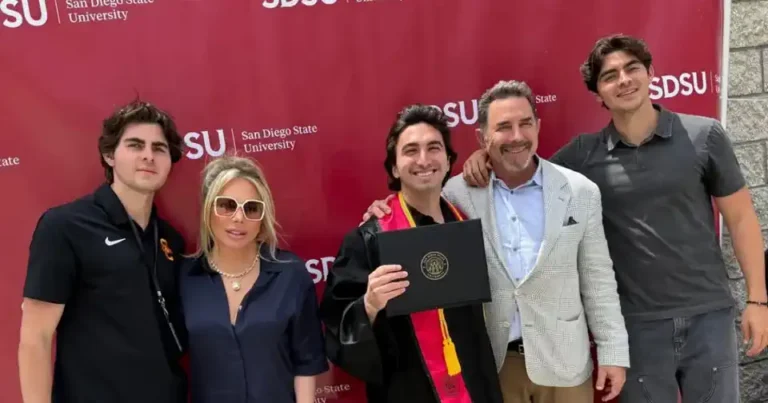
One reason the coverage reads with more feeling than a standard career summary is that it emphasizes Kane’s life at home alongside his professional legacy. He is remembered not only for decades of voice work, but also as a husband, father and someone whose family expanded through adoption and fostering in addition to biological children.
That framing matters because it keeps the article from becoming a list of credits. Readers can understand the public loss, but they can also see the private life behind it. It adds humanity to a story that might otherwise be reduced to nostalgia and franchise recognition.
His health history makes the timing especially poignant
The report also revisits the stroke Kane suffered in 2020, which affected his speech and marked a major turning point in his life. That context changes the emotional tone of the article. The death is not presented as a disconnected event. It is part of a longer story about health, recovery and the limits even a legendary voice eventually faced.
For readers, that background helps explain why the announcement has drawn such a reflective response. This is not simply the end of a career. It is the final chapter in a struggle that fans had already been aware of for years.
Why this remembrance is strong to publish now
Obituaries can become thin very quickly if they rely only on a single famous role, but Kane’s story has more to work with. His career was expansive, the health context is known and the connection between his work and audience memory is unusually strong. That gives the article substance beyond the headline.
It also makes the post timely in the best sense. Readers are not being asked to react to spectacle. They are being given a meaningful look at a performer whose voice became part of multiple generations of entertainment.