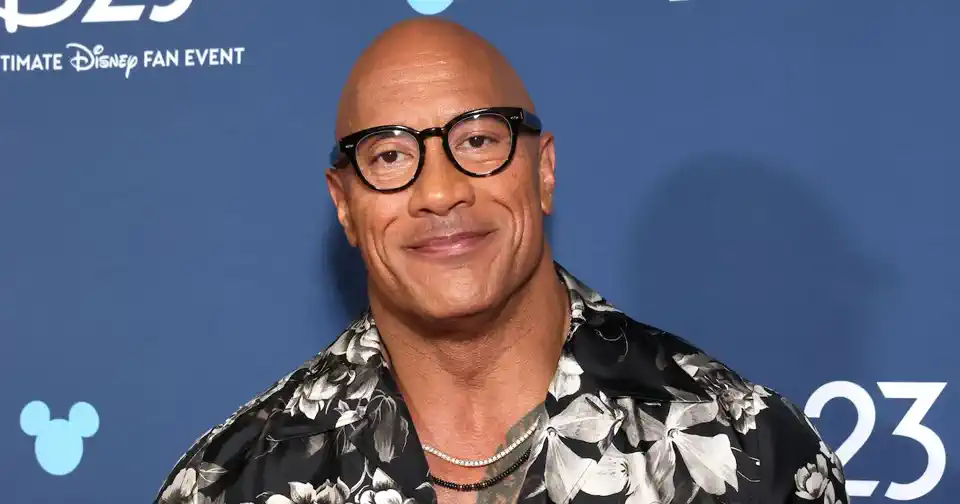
The Rock joking his way through criticism over selling shampoo while bald matters because the smartest celebrity brands now lean into the contradiction instead of pretending audiences did not notice it
Why a bald-man-selling-shampoo joke became a real brand story
The internet rarely ignores an obvious contradiction, and that is exactly why this story had traction. Us Weekly reported on June 5, 2026 that Dwayne 'The Rock' Johnson responded with humor after a viral influencer video questioned why a bald star was promoting shampoo and conditioner for his Papatui line, turning a potential drag into a content advantage.
The influencer's point worked because it was instantly legible. Johnson's response worked because he understood the audience was not asking for a corporate explanation. It was asking whether he was self-aware enough to laugh first.
What Johnson understood about modern celebrity commerce
The old celebrity-brand model tried to smooth out contradictions until every endorsement looked frictionless. That approach feels dated now. Online audiences engage harder when a star acknowledges the obvious and converts it into personality-driven storytelling.
Johnson did not defend the product with technical language or hide behind a formal campaign message. He used the joke, played off his Maui image and made the contradiction itself part of the marketing. That is far more native to current internet behavior.
Why humor is doing more work than polish in 2026
Consumers are trained to spot brand scripting instantly. When a celebrity over-manages a response, it reads as evasive. When the celebrity meets the joke head-on, the response feels more human and more commercial at the same time.
That is the real lesson from this episode. People did not need Johnson to prove he personally uses every product category in the line. They needed him to show he understood the mismatch and had enough confidence to make it entertaining.
What this means for The Rock's broader business playbook
Johnson's advantage is no longer just scale. It is fluency. He consistently treats the audience like participants in the joke, which lowers resistance and keeps the brand ecosystem feeling elastic instead of rigid.
Celebrity businesses that still chase perfection are losing momentum to brands that can absorb teasing without looking rattled. The Rock's shampoo clapback landed because it treated irony as an asset, not a threat.