What actually happened at the box office
Paramount's revived Scary Movie opened to $55 million domestically on June 5-7, 2026 – the largest opening in the franchise's 26-year run – while Amazon-MGM's Masters of the Universe stumbled to $29.3 million in its head-to-head debut. Variety reported the gap, the franchise record, and the cast-driven word-of-mouth that powered the second-day jump.
Worldwide, Scary Movie reached $106 million in three days, beating tracking by roughly 20 percent. The film's CinemaScore and audience-exit numbers held above the 2000s entries in the franchise, which is the more interesting data point – it implies the opening is not just a nostalgia drop.
Why bringing back the original Wayans crew was the entire strategy
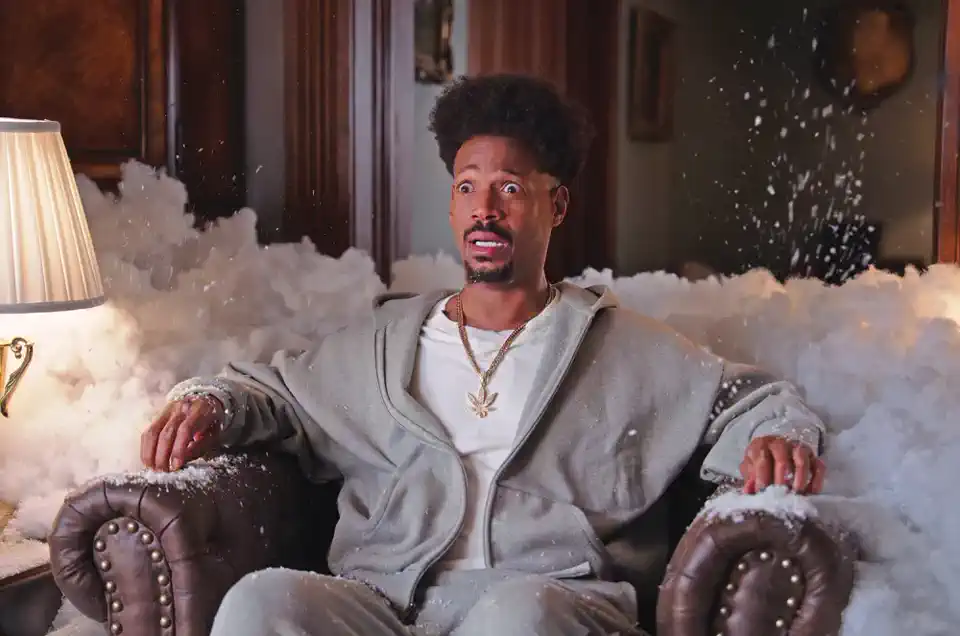
Keenen Ivory, Marlon, Shawn and Craig Wayans co-wrote the script. Marlon and Shawn co-starred. This was the first time the four had reunited on the franchise since Scary Movie 2 in 2001. The decision was not a casting nicety. It was the central commercial bet of the production.
The Wayans involvement gave the film a creative authority that no Scary Movie entry has carried since the franchise was handed to David Zucker for the third and fourth installments. Studios have spent two decades trying to engineer the same effect through reboots, soft-canon revivals, and brand extensions. The Wayans return reads as a refusal of all of that – the original creators came back on their own terms and the audience showed up.
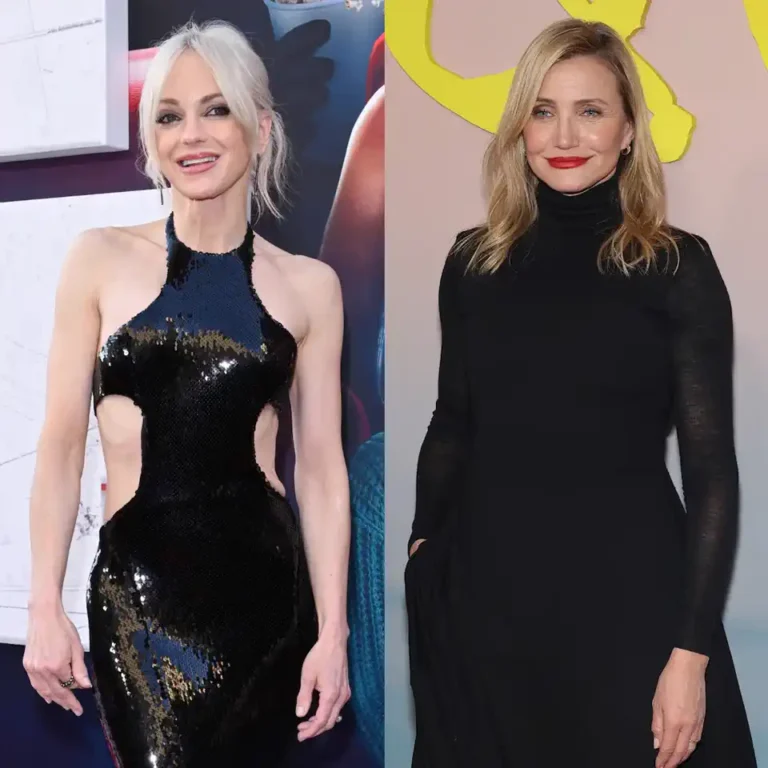
The Anna Faris and Regina Hall return as anchor casting
Faris and Hall reprised Cindy Campbell and Brenda Meeks for the first time since 2006's Scary Movie 4. Their reappearance was the visible signal in every piece of marketing material that this was not a brand exercise. Casting them committed the production to a continuity the brand has not protected in twenty years.
The return mattered more for the post-release wave than for opening night. Audience tracking shifted noticeably after early showings circulated clips of the two on screen together, and that lift is the cleanest evidence the strategy worked. Theatrical comedy still rewards visible craft over template execution.
What Masters of the Universe's stumble proves by contrast
Masters of the Universe opened against Scary Movie with bigger budget, more recognizable IP, and more aggressive marketing spend. It still finished a clear second. That gap matters because it shows the theatrical audience is no longer treating decades-old brand recognition as a reason to buy a ticket.
The lesson for the rest of summer's release slate is uncomfortable for the studios sitting on legacy IP libraries: brand presence is now a baseline, not a differentiator. Audiences will pay theatrical prices for filmmakers and casts they recognize and trust. They will not pay it for logos.
The verdict on what this means for the comedy theatrical model
The strongest takeaway is that the theatrical comedy market is not dead. It is selective. A movie with the original creators on the script, the original leads in the cast, and credible word-of-mouth can still open in the mid-fifty-million range, and that is a category most studios had quietly written off.
The contrarian read is that Scary Movie's opening will be misread as a nostalgia win when it is actually a craft win. Studios chasing the franchise model without the original architects involved will not be able to replicate the result, and the next twelve months of greenlight decisions will start sorting the two patterns apart in public.