Russell Andrews turns a private health battle into a public statement about living with ALS
Russell Andrews used a television interview to share the diagnosis himself
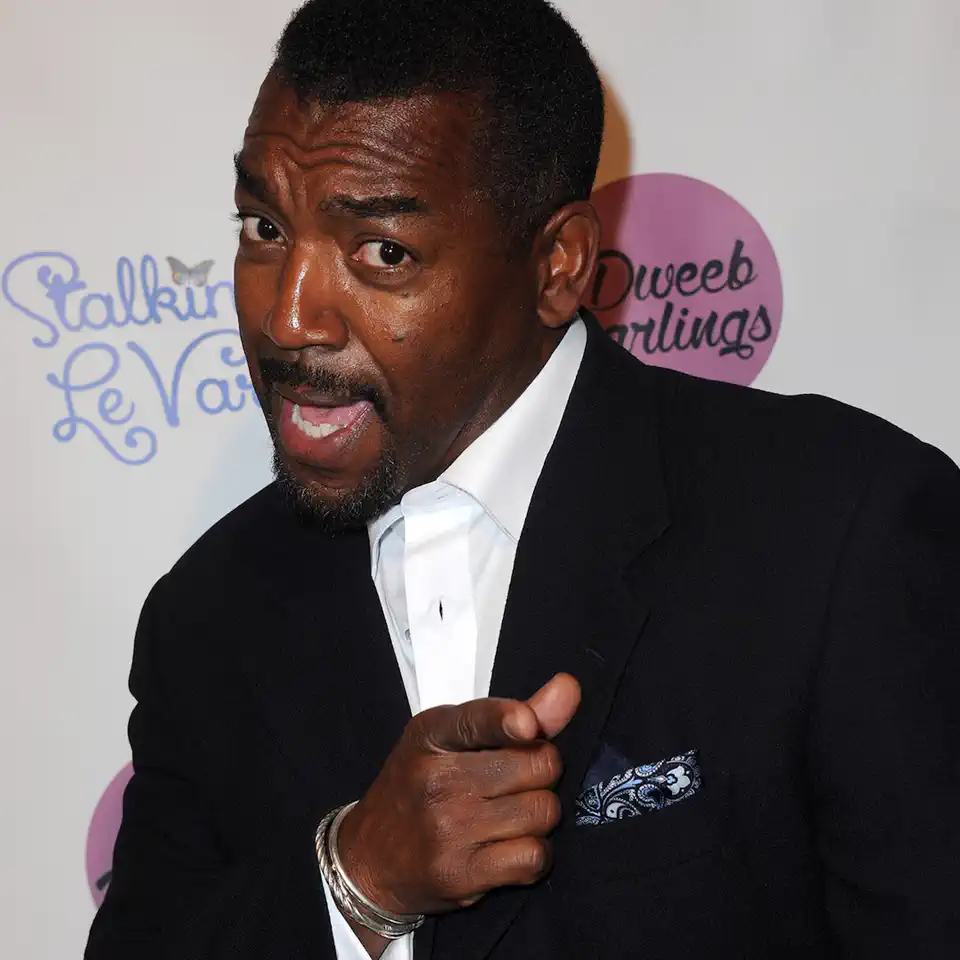
Russell Andrews has gone public with a deeply personal health update, revealing that he is living with amyotrophic lateral sclerosis, or ALS. In E! News coverage published May 18, the Better Call Saul actor said he disclosed the diagnosis after months of private adjustments and a growing need to explain what has been happening in his life.
Because Andrews has often been recognized as a steady character actor rather than a tabloid fixture, the announcement landed with unusual force. It was not built around spectacle. It was built around clarity, which made the story feel more intimate and more credible from the start.
His account of the early symptoms gave the update its emotional center
Andrews explained that the first signs stretched back years, with twitches, weakness and subtle physical changes that initially seemed easy to dismiss. That kind of timeline is one reason the diagnosis resonates beyond celebrity news. Readers can immediately understand the fear and uncertainty that come with symptoms that worsen before they are fully identified.
He also described how support from the broader care community changed the experience after the diagnosis became official, a point that lines up with the patient and caregiver resources highlighted by the ALS Network. That context keeps the story grounded in something more useful than pure shock value.
Erica Tazel's role added a second layer to the story
Another reason the interview stands out is that it did not frame Andrews as isolated. His fiancee Erica Tazel was part of the conversation around care, adaptation and what changed once doctors could finally name the illness. That gave the coverage a fuller emotional range and made the story about partnership as much as diagnosis.
In celebrity coverage, health disclosures can sometimes feel flattened into headlines. Here, the presence of a caregiver and future spouse brought the update back to daily life, where the real meaning of a diagnosis is usually felt.
The announcement reframes how audiences see his career
Andrews has built his reputation through supporting roles across television and film, and that history matters now because it gives the story a broad audience. Fans may know him from different projects, but the diagnosis cuts across those fandoms and pulls them into the same conversation about resilience and care.
That shift is part of what makes the news so publishable. The headline starts with illness, but the lasting hook is how Andrews chose to speak about it with directness rather than self-pity.
What comes next will likely center on advocacy as much as acting
The immediate update is about diagnosis, but the longer story may become one of visibility. Public figures who speak openly about ALS often help move awareness far beyond medical spaces, and Andrews now has the chance to do that for people who may not otherwise be following the issue closely.
For now, the key development is simple: Andrews has given his own account of what he is facing, and that candor has turned a difficult private reality into a story that feels informative, human and impossible to reduce to celebrity noise.