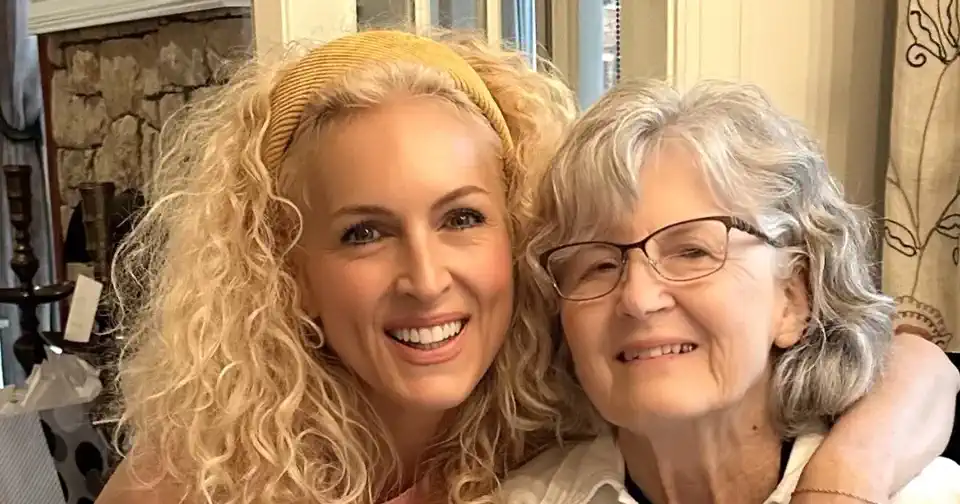
Kimberly Schlapman opening up about caring for her mother through Parkinson's matters because celebrity family stories are most valuable now when they move past polished sentiment and show the real labor, emotional discipline and long-term responsibility behind private caregiving
Why this family update carried more substance than a routine celebrity parenting quote
Celebrity family coverage often flattens care into inspirational shorthand, but this update worked because it was specific about the day-to-day burden involved. Us Weekly reported on May 31, 2026 that Little Big Town's Kimberly Schlapman described her mother's Parkinson's care as a 24-hour responsibility and spoke openly about how long the condition has shaped her family, which immediately gave the story more human weight than a polished celebrity soundbite about family devotion.
The difference is honesty about systems, not just feelings. Schlapman did not present caregiving as abstract gratitude. She described coordination, appointments and the pressure of balancing work, motherhood and a parent's declining health. That makes the story useful to readers in a way many celebrity disclosures are not.
What this reveals about how celebrity culture is starting to treat caregiving
For years, celebrity family narratives focused on milestones that photographed well: weddings, births, vacations and sentimental tributes. Health care inside a family, especially chronic neurodegenerative illness, received far less attention unless it was tied to crisis. That is starting to change because readers now reward disclosure that feels materially real.
Schlapman's comments fit that shift. They position her less as a distant country star and more as a daughter inside a demanding care structure that many households already understand. In media terms, that kind of specificity builds trust faster than generic inspiration ever could.
Why the strongest part of this story is the refusal to romanticize the workload
There is a familiar celebrity trap in stories like this: turning hardship into a soft-focus lesson about gratitude. Schlapman's update avoided that by acknowledging the scale of the responsibility. Parkinson's care is repetitive, logistical and emotionally draining, and saying that publicly makes the story more credible rather than less elegant.
That matters because audiences increasingly reject celebrity vulnerability when it feels packaged for applause. The most resonant family updates now are the ones that admit the work is exhausting, ongoing and imperfect. In that sense, Schlapman's approach was not just compassionate. It was media-smart.
What this means for Kimberly Schlapman's public voice going forward
This kind of disclosure expands Schlapman's visibility beyond music headlines without feeling opportunistic. It gives her a more grounded public dimension, one tied to caregiving realism and advocacy rather than only performance or lifestyle branding.
The larger takeaway is that celebrity relevance in 2026 is increasingly earned through useful honesty. Schlapman's story stands out because it offers readers something more durable than sentiment: a recognizable portrait of responsibility, and a reminder that family care remains one of the least glamorous but most consequential realities behind public lives.