What actually happened in the Southern District ruling
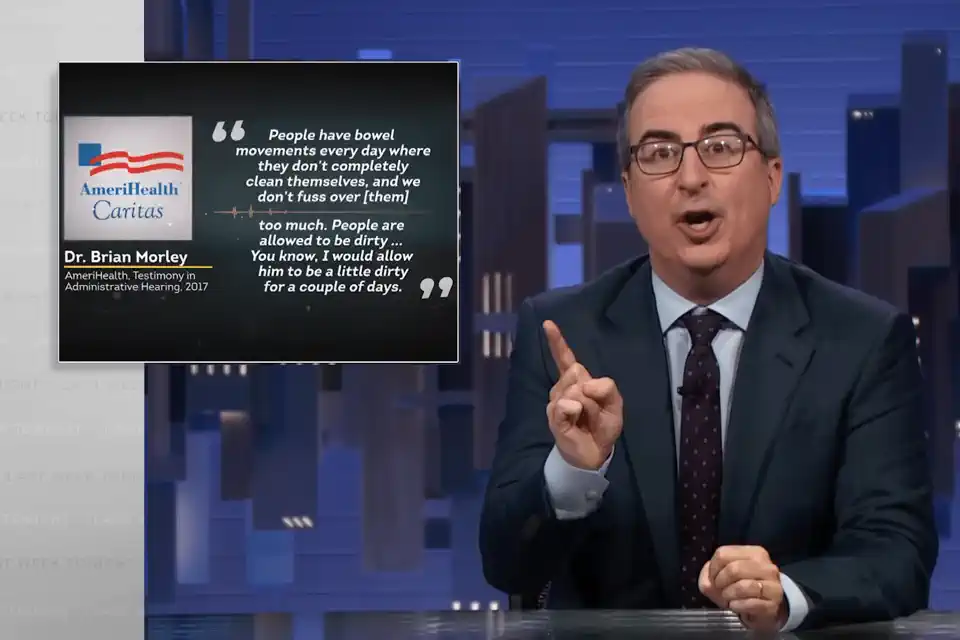
U.S. District Judge Ronnie Abrams dismissed Dr. Brian Morley's defamation lawsuit against John Oliver and HBO's Last Week Tonight production company in a June 2 ruling, holding that none of the individual statements challenged in the 2024 Medicaid segment cleared the defamation threshold, that the segment's broader implication was not defamatory either, and that the show's description of Morley's testimony was substantially accurate. LateNighter detailed the ruling, the protected-opinion and fair-report-privilege findings, and the fact that Morley filed the suit roughly a year after the segment aired.
The dismissal preserves the show's perfect record against defamation claims and marks the third major case Last Week Tonight has now defeated at the motion-to-dismiss stage rather than at trial. That distinction is the more interesting legal data point – early dismissals are evidence of a deliberate editorial and legal workflow, not an unusually friendly judiciary.
Why this win lands differently than the show's earlier dismissals
Last Week Tonight has been operating under a documented pre-air vetting process for nearly its entire run – outside counsel review of source materials, internal rubric for distinguishing protected opinion from factual claim, and explicit attention to the New York fair-report privilege the Morley ruling cited. Most prestige news shows do not run a similar workflow at the same depth.
What that means in practice is that the show enters every potential defamation case with a paper trail and a structural argument the plaintiff has to overcome before discovery. The Morley dismissal is the most explicit recent illustration of how that workflow translates into procedural victory. Other comedy and news outfits routinely settle similar claims to avoid trial cost – Oliver's team is built to litigate.
The Medicaid segment that triggered the claim
Morley was a key on-camera subject of the 2024 segment, which scrutinized privatized Medicaid management practices including denial rates, reauthorization timelines, and on-record testimony from his prior administrative hearings. The complaint argued the segment misrepresented his role and conduct. The judge found the show's framing tracked the public record closely enough that fair-report and substantial-truth defenses applied.
The structural point inside the ruling is that the show used Morley's own deposition and hearing testimony as the spine of its critique. That choice – building the segment around statements already in the public record – is what gave the protected-opinion and fair-report defenses their footing. It is also the most teachable detail for any production considering similar investigative work.
How this fits the broader 2026 defamation landscape
The current defamation case map for journalism and comedy is unusually active. Multiple high-visibility outlets are facing claims tied to investigative coverage of healthcare administration, election-system contractors, and government-services privatization. The Morley dismissal is one of the cleaner pro-defendant rulings in that landscape this year.
The legal model Last Week Tonight has documented through these rulings is the asset other shows would have to replicate to operate in the same investigative register. The reproducibility question is not whether the law is on Oliver's side – it is whether comparable shows have the editorial and legal architecture to deploy the same defenses successfully.
The verdict on what this dismissal actually proves
The strongest takeaway is that the show's undefeated record is not an accident of subject-matter selection. It is the output of a working legal-editorial system that the rest of late-night comedy has not built at the same depth.
The contrarian read is that the next decade of investigative comedy will be defined less by who can land the most damaging takedown and more by who has the legal infrastructure to keep landing them without paying out at settlement. Oliver's team just demonstrated, again, that it has both.