Chelsea Handler’s latest roast backlash comments have kept the Kevin Hart special in the celebrity-news spotlight
Handler’s comments matter because they extended the life of a headline that could have faded after the broadcast
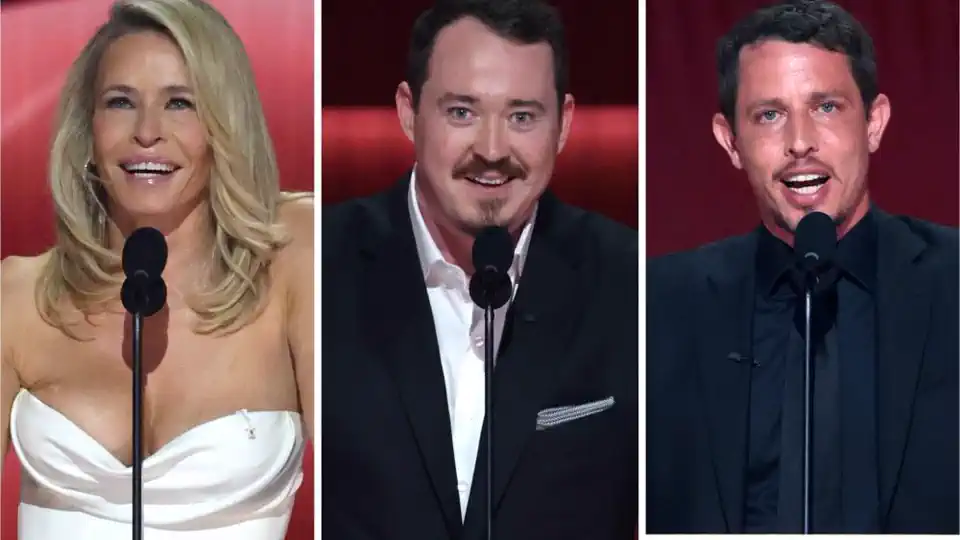
As reported by Variety, Chelsea Handler publicly criticized jokes from Shane Gillis and Tony Hinchcliffe after Netflix’s Roast of Kevin Hart, arguing that the tone crossed a line. The reason the update has strong celebrity-news value is simple: it turned a one-night comedy event into a continuing feud with fresh reactions, sharper language and renewed attention.
That second wave is often where celebrity stories gain real traction. A roast can generate instant buzz, but a post-show dispute gives readers something more durable to follow because it introduces fallout, competing responses and a clearer sense of where people involved stand after the applause ends.
Why the story has spread beyond comedy circles
This is no longer only about whether a joke landed. It is about what happens when celebrity comedy collides with broader arguments over taste, race, sexism and who gets to define the line between provocation and laziness. That is the kind of crossover tension that pushes a story into the wider entertainment conversation.
It also helps that the backdrop is a major streaming event tied to Netflix, a platform large enough to make every roast controversy feel bigger than a niche comedy debate. Once a disagreement carries both celebrity names and culture-war energy, it becomes highly shareable.
Handler’s stance gives the story a strong personality-driven angle
Celebrity feuds work best when the public can hear a clear point of view, and Handler supplied exactly that. Her comments were not vague damage control or a carefully neutral post-show recap. They were direct enough to reset the framing of the roast around who offended whom and whether that offense was justified.
That gives the piece a strong voice-led structure. Readers are not just consuming a recap of old jokes. They are consuming a fresh conflict in which a recognizable performer is actively challenging the value system behind the humor itself.
The article adds a sharp culture-and-feud angle to the batch
For a ready-to-post set, this story works because it feels current, argumentative and instantly legible. Celebrity audiences respond to conflict when it has a clear public statement, a visible event behind it and at least one high-profile personality willing to keep the issue alive.
It also broadens the mix. A roast backlash story delivers a different kind of energy from family updates or milestone announcements, which helps the batch feel less repetitive and more representative of the full celebrity-news cycle.