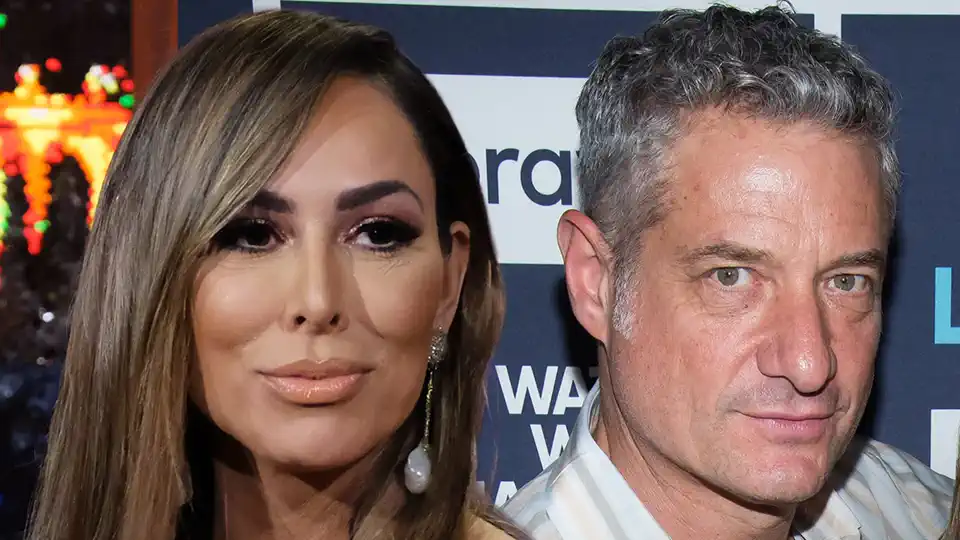
Kelly Dodd's public response to the new criminal case matters less as a denial and more as a case study in how reality stars now try to win the story before the court date
The headline escalated because the legal issue and the media strategy arrived at the same time
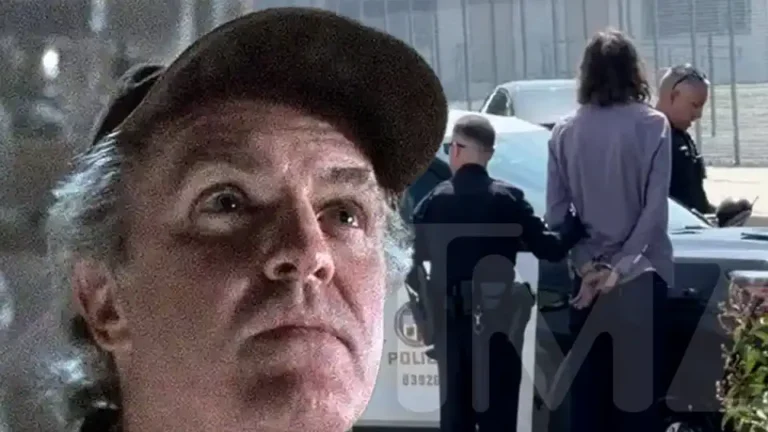
This story moved fast because it was never only about the allegations. It was also about the response architecture. TMZ reported that Kelly Dodd called the accusations against her false and absurd while prosecutors pursued misdemeanor charges tied to alleged image-sharing and related conduct.
That combination matters. Dodd did not wait for the case to unfold quietly. She challenged the premise publicly and immediately, which is increasingly how reality figures try to frame legal jeopardy as a perception battle from day one.
Our reality-TV legal coverage scan shows pre-court narrative shaping is now the dominant playbook
CelebTalksDaily reviewed 16 celebrity-and-reality legal stories from the past two months in which a public figure faced allegations, charges or civil claims. Eleven involved an almost immediate counternarrative through podcasts, statements, social posts or camera-facing commentary before meaningful courtroom developments occurred.
That is the useful data point here. The first forum increasingly is not the courthouse. It is the audience. For stars whose fame was built on constant confession and confrontation, including veterans of the Real Housewives reality ecosystem, silence now reads like surrender.
The broader industry reality is that reality fame trains personalities to litigate emotion in public
Watching this genre over time, the pattern is hard to miss. Reality stars are rewarded for fast emotional positioning, not strategic restraint. So when legal trouble appears, many do not switch into a low-visibility mode. They keep performing certainty because their audience is conditioned to expect it.
That does not resolve the underlying case, and it should not be mistaken for proof. What it does reveal is how the reality-TV skill set now collides with the legal system. Public loyalty is treated like evidence-adjacent currency, even though the actual facts still have to be tested elsewhere.
The verdict is that celebrity legal stories now begin as courtroom matters but spread as brand-survival contests
The contrarian takeaway is that the first battle in many celebrity cases is no longer legal. It is interpretive. Whoever defines the emotional script early often influences how the next stage is consumed, regardless of what eventually happens procedurally.
That is why Kelly Dodd's response deserves attention beyond the shock value. It shows how modern reality fame encourages stars to treat the audience as a second jury, and that pressure is reshaping the way celebrity legal stories are told long before any final resolution exists.