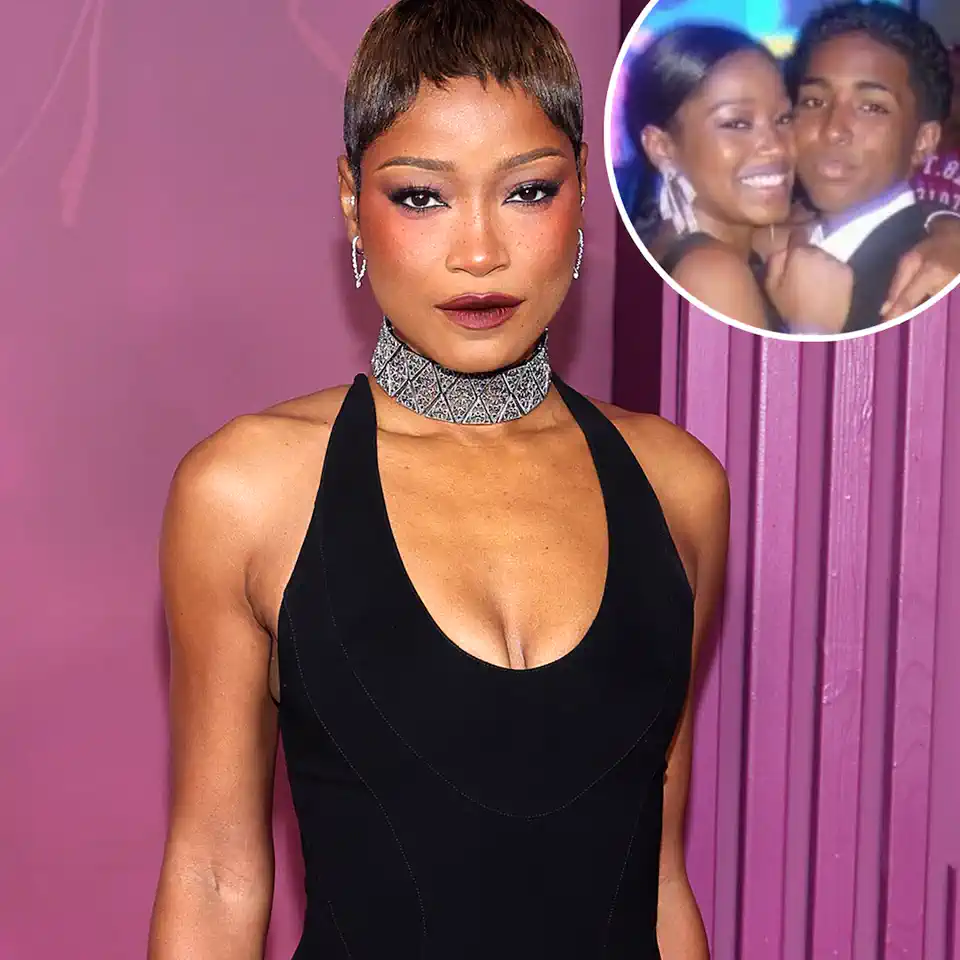
Keke Palmer's tribute to Brandon matters because the most affecting celebrity stories are still the ones that replace performance with memory and let grief speak in specific, deeply personal detail
Keke Palmer turned a devastating personal loss into a public remembrance that felt intimate instead of performative
The core news here is not just that Keke Palmer posted a tribute. E! News reported on May 29 that Palmer mourned the death of her ex-boyfriend Brandon after learning he died from complications tied to sickle cell anemia.
What gave the update real weight was the precision of the memory. Palmer did not hide behind broad sadness. She recalled MySpace messages, a first real kiss, Bible school rides and the ache of not seeing him one last time, which made the story land as lived experience rather than celebrity statement-making.
Why this tribute cuts through more strongly than the average celebrity grief post
Celebrity tributes often get flattened into familiar language about shock, love and loss. Palmer's post worked differently because it rebuilt an actual relationship in front of the audience. The details gave Brandon a presence beyond the headline and reminded readers that what people mourn most is not an abstract bond but a chain of ordinary moments they can no longer revisit.
That directness also fits the emotional candor Palmer has increasingly brought to her public voice across interviews and her Instagram presence. Instead of trying to sound polished, she sounded interrupted by real grief, and that authenticity is what made the tribute resonate far beyond her fan base.
The larger industry reality is that audiences now trust specificity more than polished vulnerability
There has been a noticeable shift in how celebrity audiences respond to emotional posts. Generic openness gets acknowledged, but specific openness gets remembered. When stars name the place, the memory, the regret and the unfinished thought, the public stops reading the moment as brand management and starts reading it as testimony.
Palmer's tribute reflects that shift perfectly. She did not try to convert loss into inspiration too quickly. She let the sadness stay sad, and that restraint made the post feel more credible than the kind of instantly motivational messaging that often follows public grief.
The verdict is that Keke Palmer reminded everyone that emotional authority comes from detail, not dramatics
The strongest takeaway is that Palmer understood exactly what kind of writing grief demands. She gave readers names, scenes and regrets instead of polished lessons, and that made the story more affecting and more durable.
In a celebrity media cycle that often rewards speed over sincerity, this tribute stood out because it felt like an act of remembrance first and content second. That is precisely why it has more staying power than a standard mourning post.