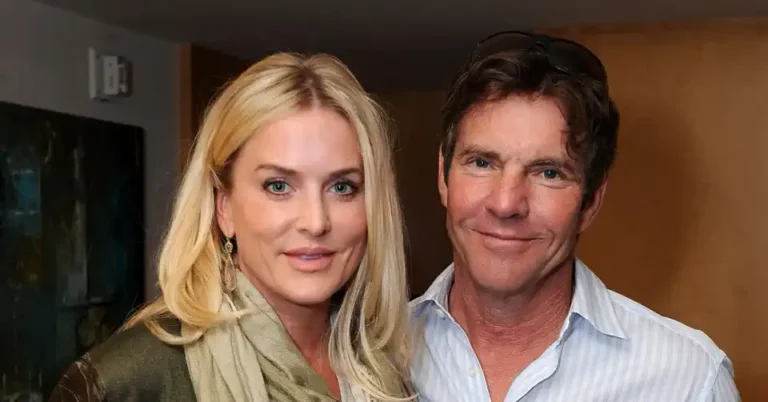
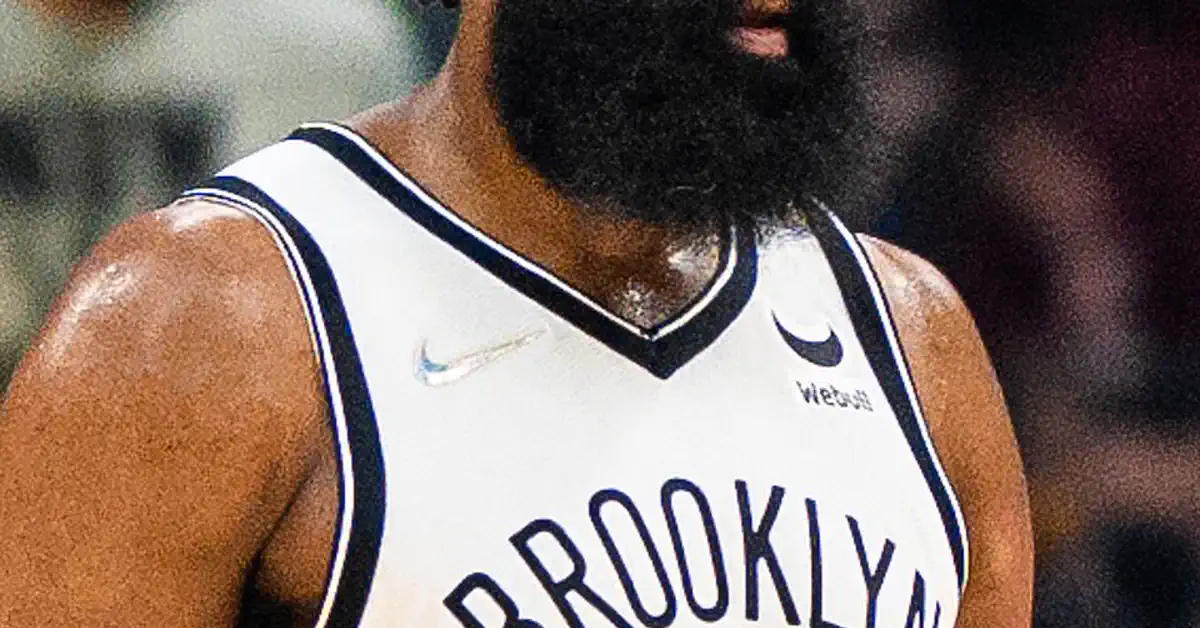
Cleveland Cavaliers guard James Harden was arrested in Harris County, Texas, in the early hours of Saturday, June 13, 2026, after a deputy spotted a handgun in plain view inside his vehicle and charged the 36-year-old with one count of misdemeanor unlawful carrying of weapons. TMZ obtained the booking at 9:07 a.m. PDT and updated the piece an hour later, with court records showing Harden released on an unsecured $100 bond and ordered to appear in court on June 22, three days before the formal opening of the 2026 NBA free-agency window.
No on-record statement from Harden, the Cavaliers, or his representation appears in the source article. The bond conditions reported in the docket prohibit him from possessing any firearms, ammunition, or other weapons until the case resolves, and bar his use of alcohol, controlled substances, dangerous drugs, or marijuana unless prescribed by a physician. Random urinalysis is also part of the standard order. No eligible quote in source.
The procedural specifics are the part of the booking that will shape Harden's exposure most directly. Texas misdemeanor unlawful-carry charges under Penal Code §46.02 typically carry a maximum 1-year jail term and a $4,000 fine for first-time defendants, but the disposition track for high-profile first-time defendants without a prior weapons record is almost always pretrial diversion or a deferred adjudication that closes the file in 12 to 18 months without a conviction stamp. The $100 unsecured bond reflects the low flight-risk assessment any high-net-worth athlete with deep Houston ties draws.
The Houston backdrop is the bigger storyline. Harden spent nine years with the Rockets between 2012 and 2021, won the 2018 MVP there, and continues to own primary residence and business interests in the city. His routine return to Houston in the offseason has been a fixture of his calendar since the 2021 trade to Brooklyn, and the arrest happening on Harden's own home turf rather than in Cleveland places the off-court factual frame in a state where his counsel knows every relevant prosecutor by name.
The free-agency timing is the lever the league office now has to weigh. Harden is one of the marquee names entering the unrestricted market on June 25 after declining his player option earlier in the spring. Cleveland eliminated by New York in the Eastern Conference Finals on May 27, and the front office had reportedly approached Harden's camp about a long-term extension before this weekend. A misdemeanor charge with no prior weapons history does not formally trigger NBA Personal Conduct Policy review on its own, but the league's pattern across the past four years has been to open a review file regardless, and to keep it open through disposition.
His commercial calendar is the third pressure point. Adidas, his longest-running endorsement partner, has historically been the most stable sponsor in his portfolio, and the 2024 renewal of his Imma Be Me signature line ran through 2028. Adidas has not issued a statement as of Saturday afternoon, and the pattern across similar NBA off-court incidents this year, including Ja Morant's 2024 weapons-adjacent suspension and the offseason Devin Booker DUI complaint that was later dropped, has been for sponsors to wait out the initial 72-hour news cycle before deciding whether to make a public statement.
What lands between the booking and the June 22 court date is the variable that will determine which scenario this case lives in. Harden's Houston-based criminal counsel will file a motion to reduce or dismiss within the standard 10-day window, the prosecutor's office will respond, and the case will either settle into pretrial diversion or move to a docket-control hearing. The realistic best case for Harden is a clean diversion that wraps before the season tip-off in October. The realistic worst case is a contested misdemeanor disposition that runs parallel to his first season on a new free-agent contract.