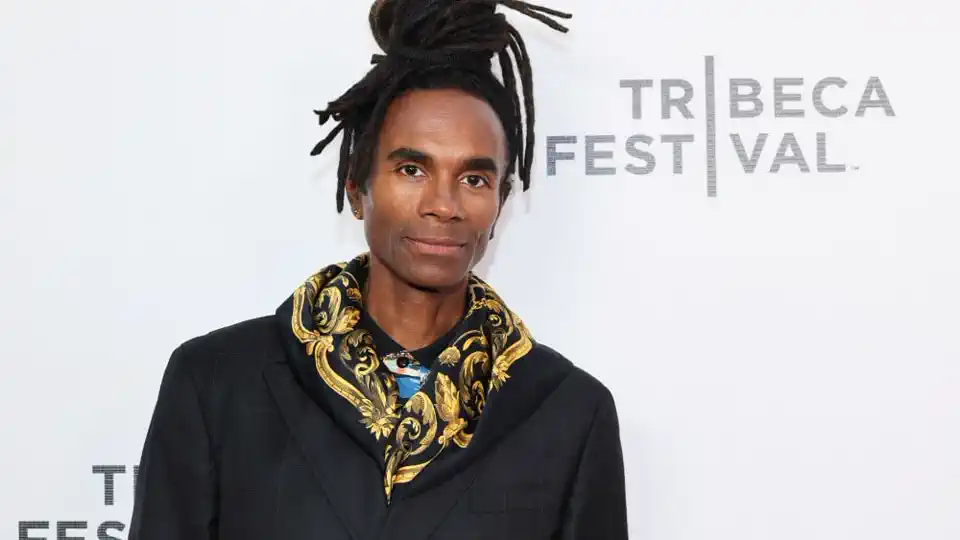
Fab Morvan quitting the Freedom 250 concerts became a revealing celebrity story because it showed how even nostalgia-driven stars are now forced to weigh public image as carefully as the gig itself
Why this was bigger than another artist cancellation
Morvan's decision stood out because it transformed a quirky booking item into a reputational statement. Variety Australia reported on June 3, 2026 that Fab Morvan said he was leaving the Freedom 250 concert lineup after initially appearing willing to stay, and that reversal made the story more interesting than a standard cancellation notice.
When one or two artists leave a politically complicated event, it can look isolated. When the exits keep stacking up, each new departure starts reading as a public verdict. Morvan's move mattered because it suggested that staying in the lineup had become harder to defend than leaving it.
Legacy acts do not get to hide behind nostalgia anymore
Morvan carries a uniquely complicated public history because Milli Vanilli remains shorthand for image, authenticity and scandal in pop culture. That history makes any present-day booking more than a calendar entry. It becomes a comment on what kind of public stage a legacy figure is willing to stand on.
That is why the exit resonated. Audiences were not only reading it as a music-business move. They were reading it as a self-protective brand decision from an artist who understands better than most how quickly public narratives can harden.
The reversal says a lot about celebrity caution in 2026
Celebrities now operate in an environment where a single appearance can be interpreted as ideological alignment, not just professional activity. That pressure has changed the cost-benefit math around events that carry heavy political symbolism or unstable public messaging.
Morvan's CNN remarks, as summarized in the coverage, reinforced that this was not about routine scheduling but about discomfort with what the event had become. The broader fallout also tracks with how quickly entertainment coverage moved from lineup chatter to scrutiny of who was still willing to remain involved, a shift visible across aggregated media reaction on WeSmirch.
What this means for the celebrity cycle around the concerts
Morvan's departure sharpened the central question from who is booked to who still wants to be publicly associated with the event. Once that becomes the story, every remaining performer inherits a reputational burden that can outweigh the value of the appearance itself.
That is why this was a meaningful celebrity update rather than a niche concert item. It captured the modern reality that for legacy names, preserving context can matter as much as securing stage time. In 2026, walking away can be the more strategic performance.