Charlie Puth canceling his Orlando show matters because the smartest pop-star move in 2026 may be protecting long-term vocal trust instead of pretending live performance can outrun physical limits
Why this cancellation landed as more than a disappointing tour update
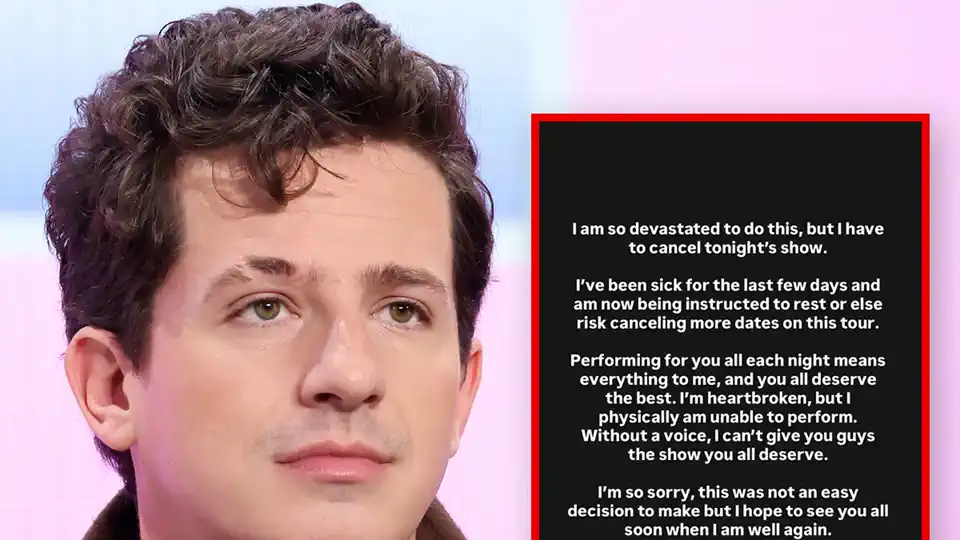
Fans do not like last-minute cancellations, but they dislike visibly compromised performances even more. TMZ reported on June 6 that Charlie Puth called off his Saturday show near Orlando after saying he had been sick for several days and was now without a voice, which instantly shifted the story from inconvenience to a test of how candid an artist should be about physical limits.
Puth's explanation was simple, and that helped. Instead of hiding behind vague scheduling language, he made the problem legible: rest now or risk losing more dates. For a singer whose live appeal depends heavily on vocal control, that reads less like retreat and more like risk management.
The touring economy has changed the meaning of a canceled show
There was a time when fans often treated cancellations as evidence of unreliability. That logic has weakened. Audiences now see how brutal modern tour schedules can be, and social media makes overextension visible in real time. A star who pushes through obvious illness may look less committed than careless.
That is especially true for artists in active album cycles. Every performance is now content, not just a concert. One rough night can ricochet through fan clips and permanently distort the perception of a tour. In that environment, skipping a show can be the more brand-protective decision.
Why Puth's situation fits a wider celebrity pattern
TMZ's report placed the cancellation in a broader trend by noting other recent tour and residency pullbacks, and that context matters because it shows this is not an isolated artist problem but a structural one. The article directly connected Puth's decision to a wider wave of performers pulling back from dates for health or other sustainability reasons.
For celebrity coverage, that makes the news more durable than a one-night cancellation. It adds to a growing body of evidence that stars are being judged not only on stamina, but on whether they know when to stop before a rough patch becomes a larger collapse.
What fans should read from the decision now
The contrarian read is that cancellations like this can strengthen an artist's credibility when they are handled early and directly. Puth did not wait until a visibly broken performance forced the issue. He interrupted the cycle before the damage spread to more dates or to the audience's trust in his live standard.
That is why the headline should not be reduced to Charlie Puth getting sick. The more useful interpretation is that live-pop professionalism now includes knowing when not to perform. In a culture that often mistakes endurance for discipline, restraint can be the sharper move.